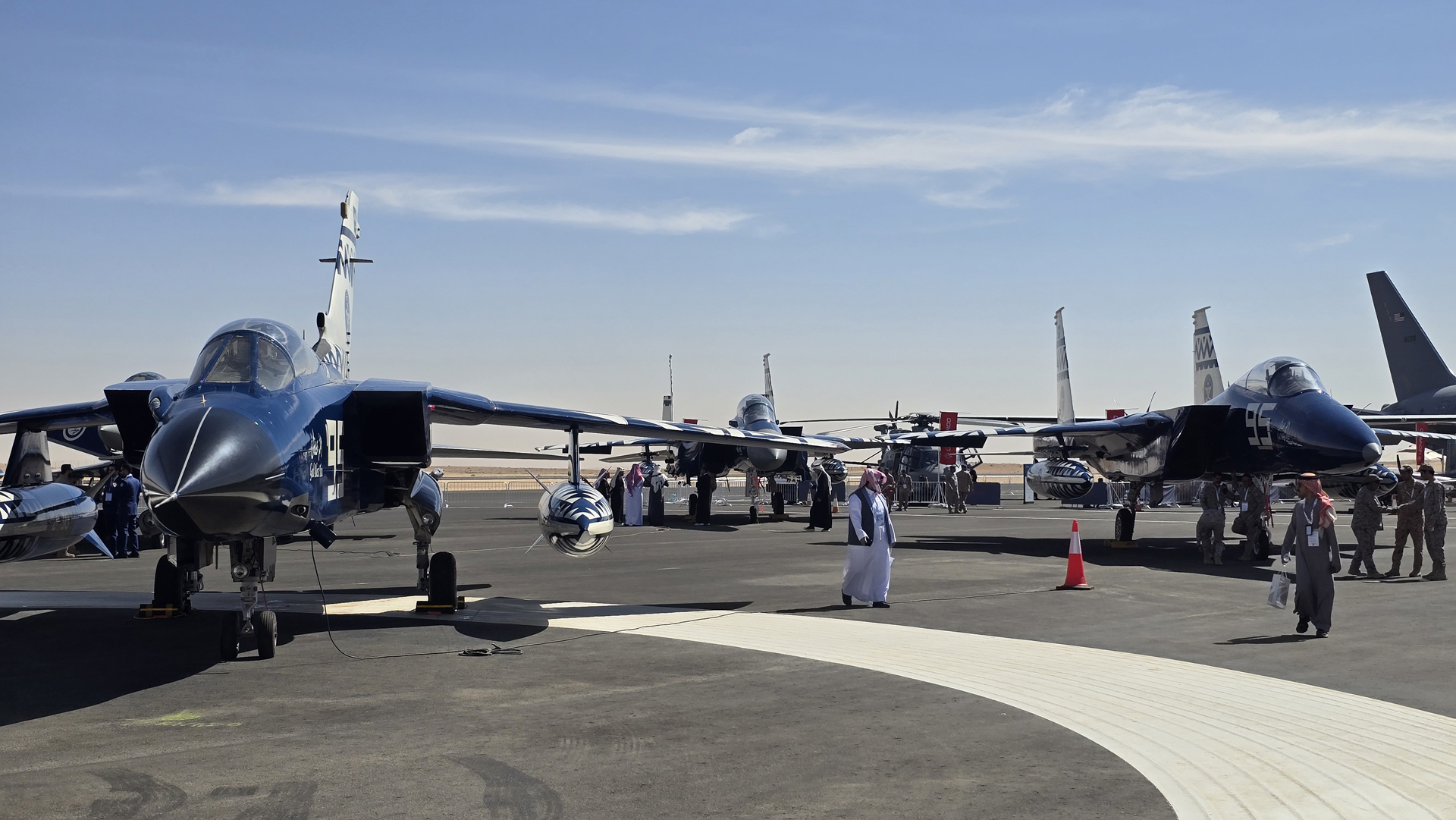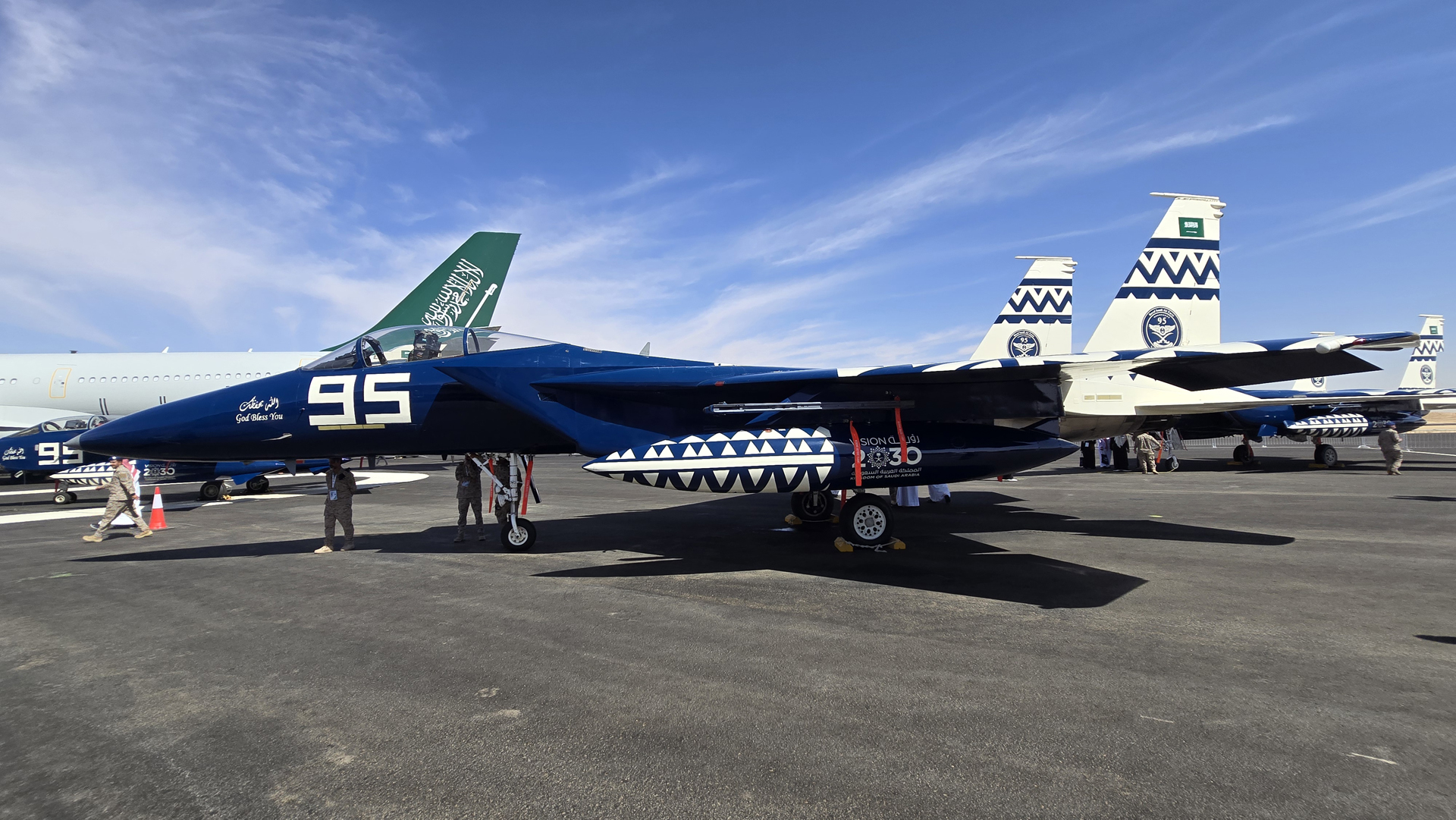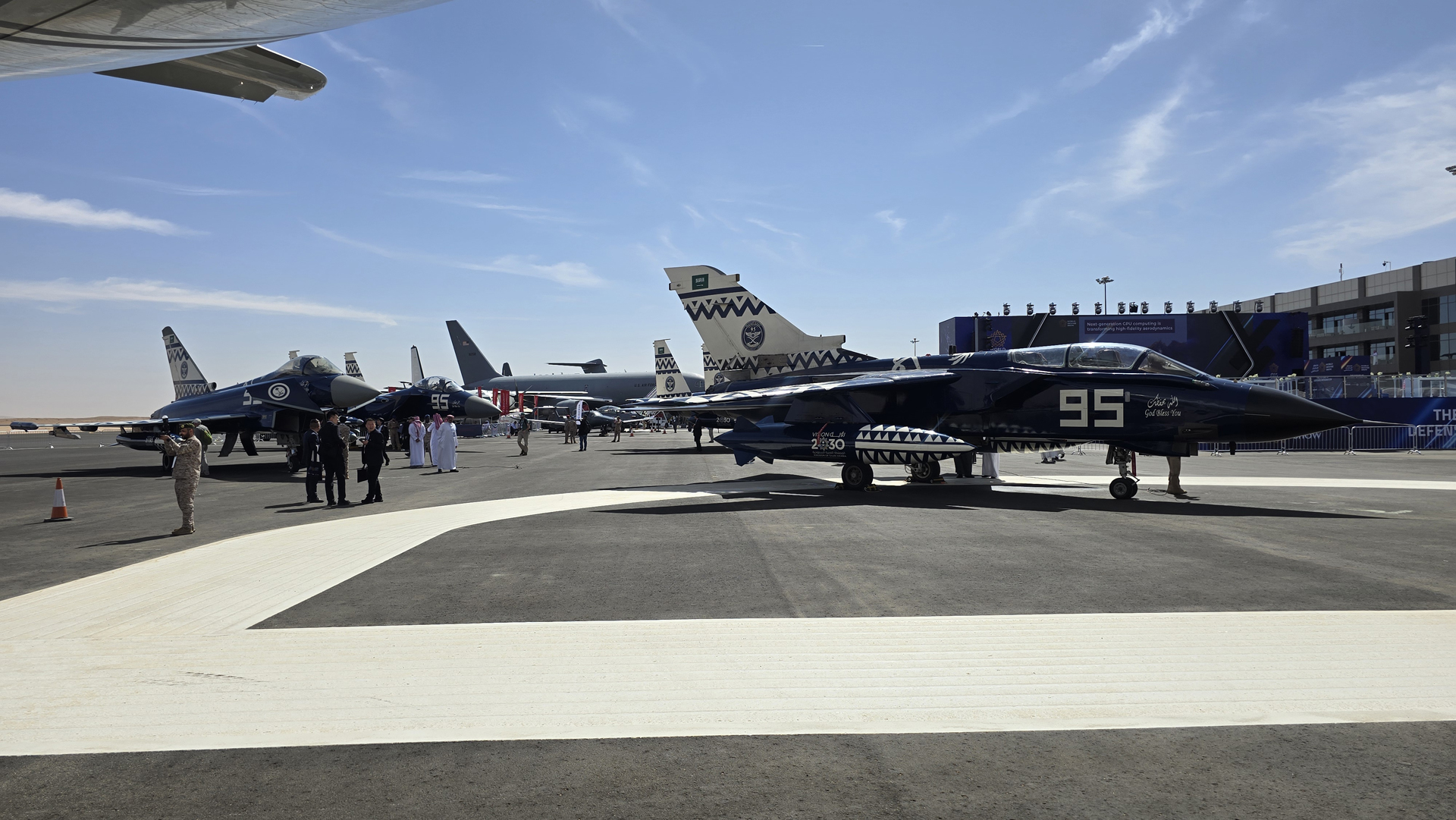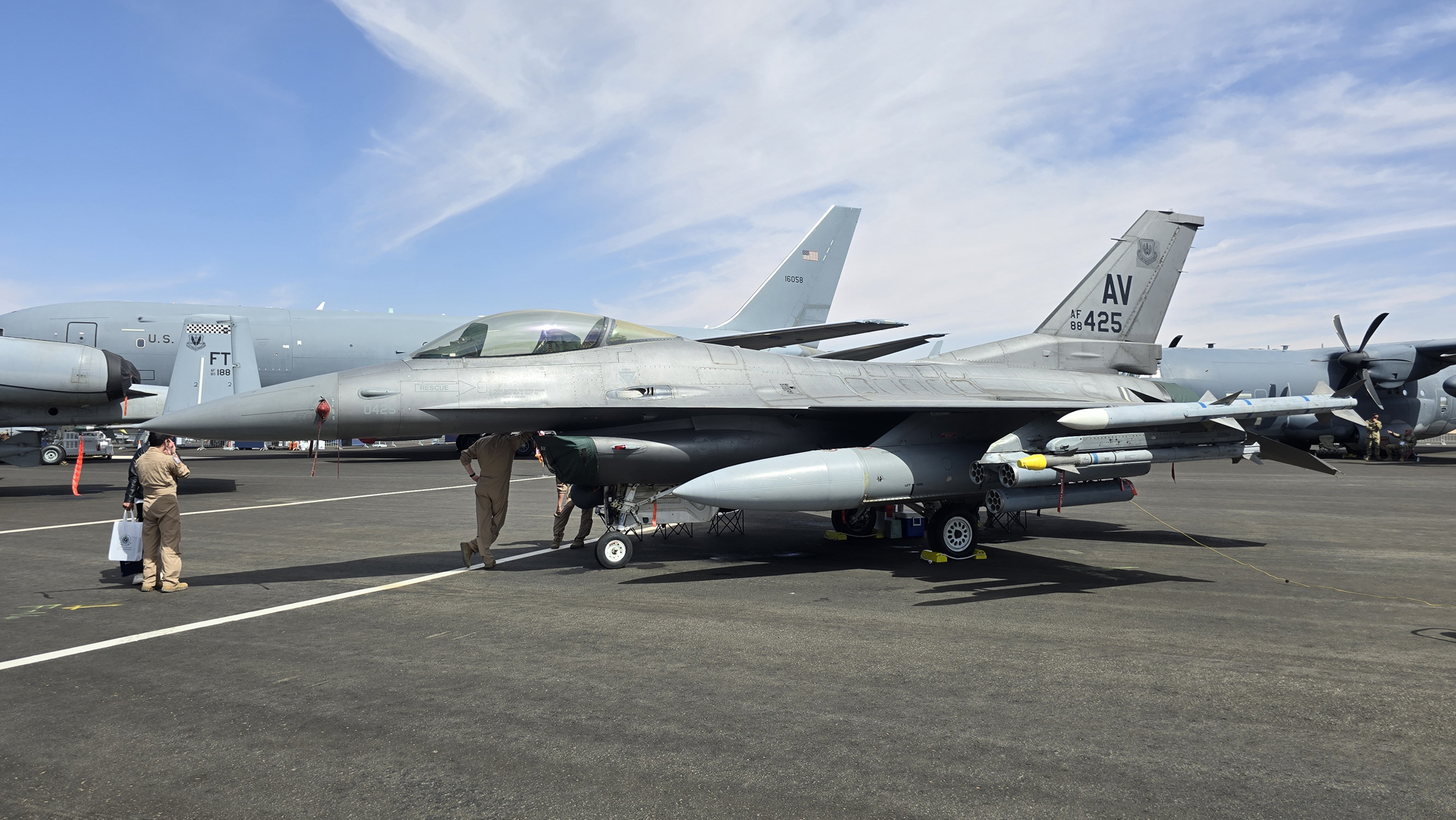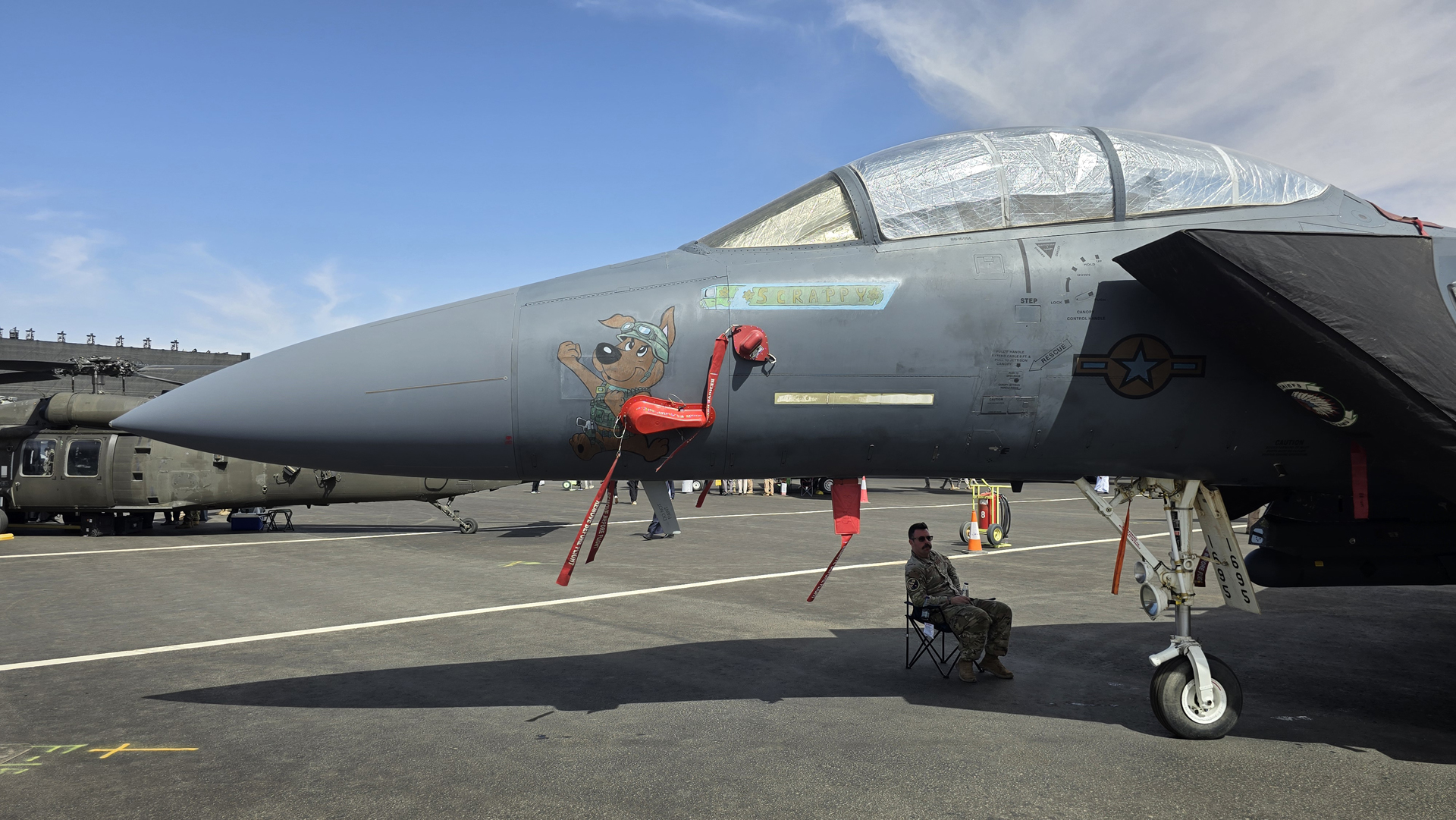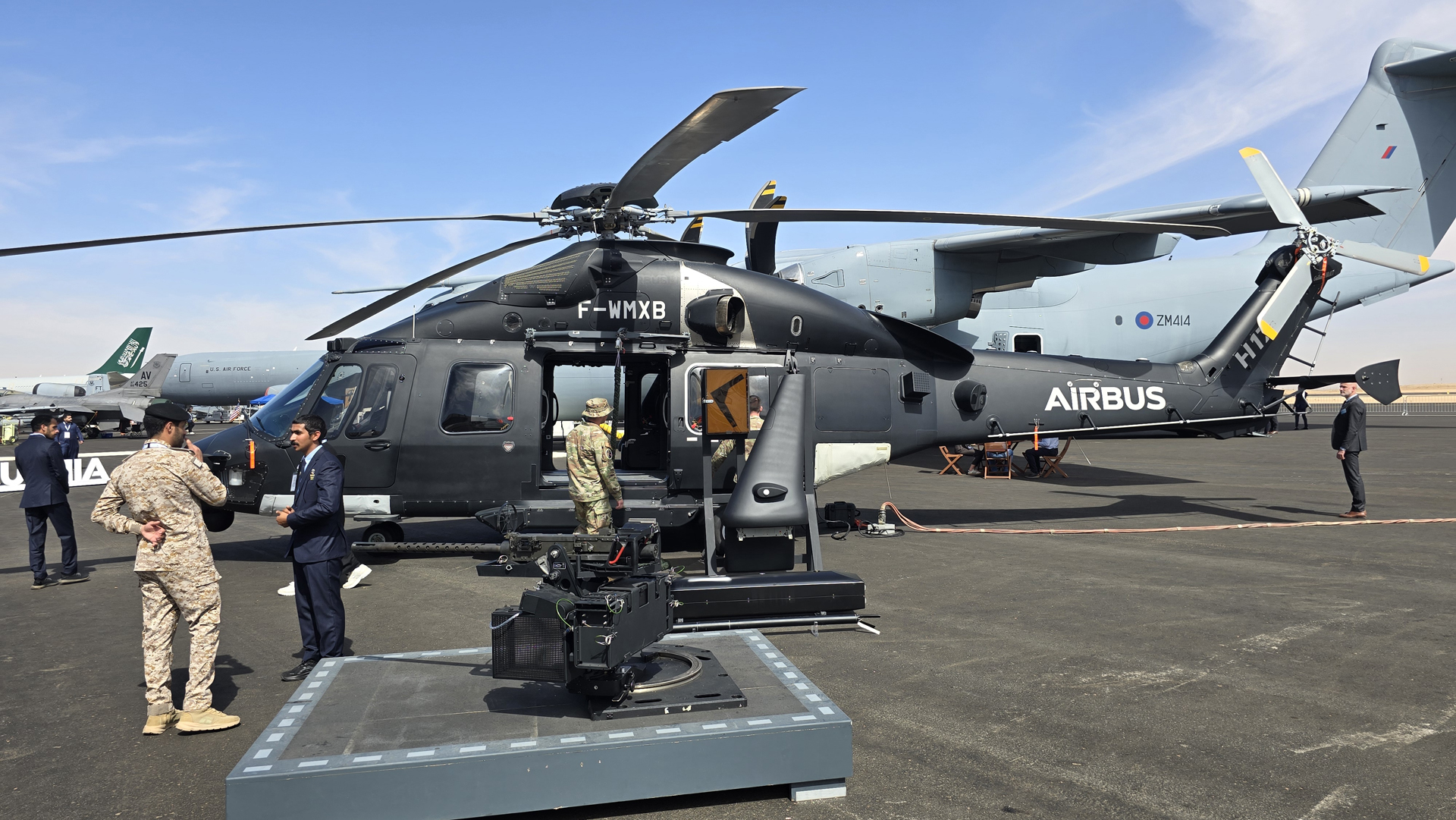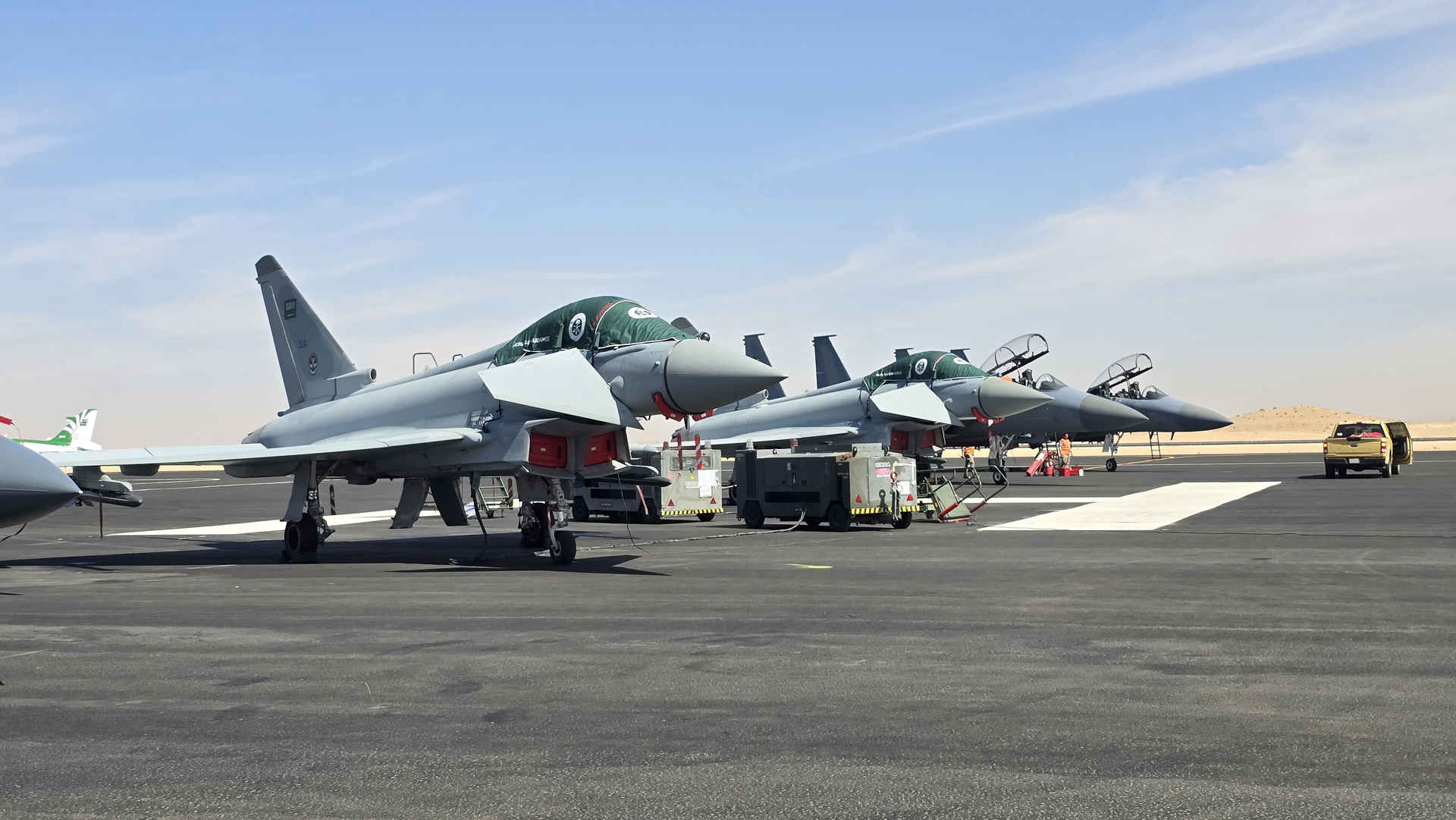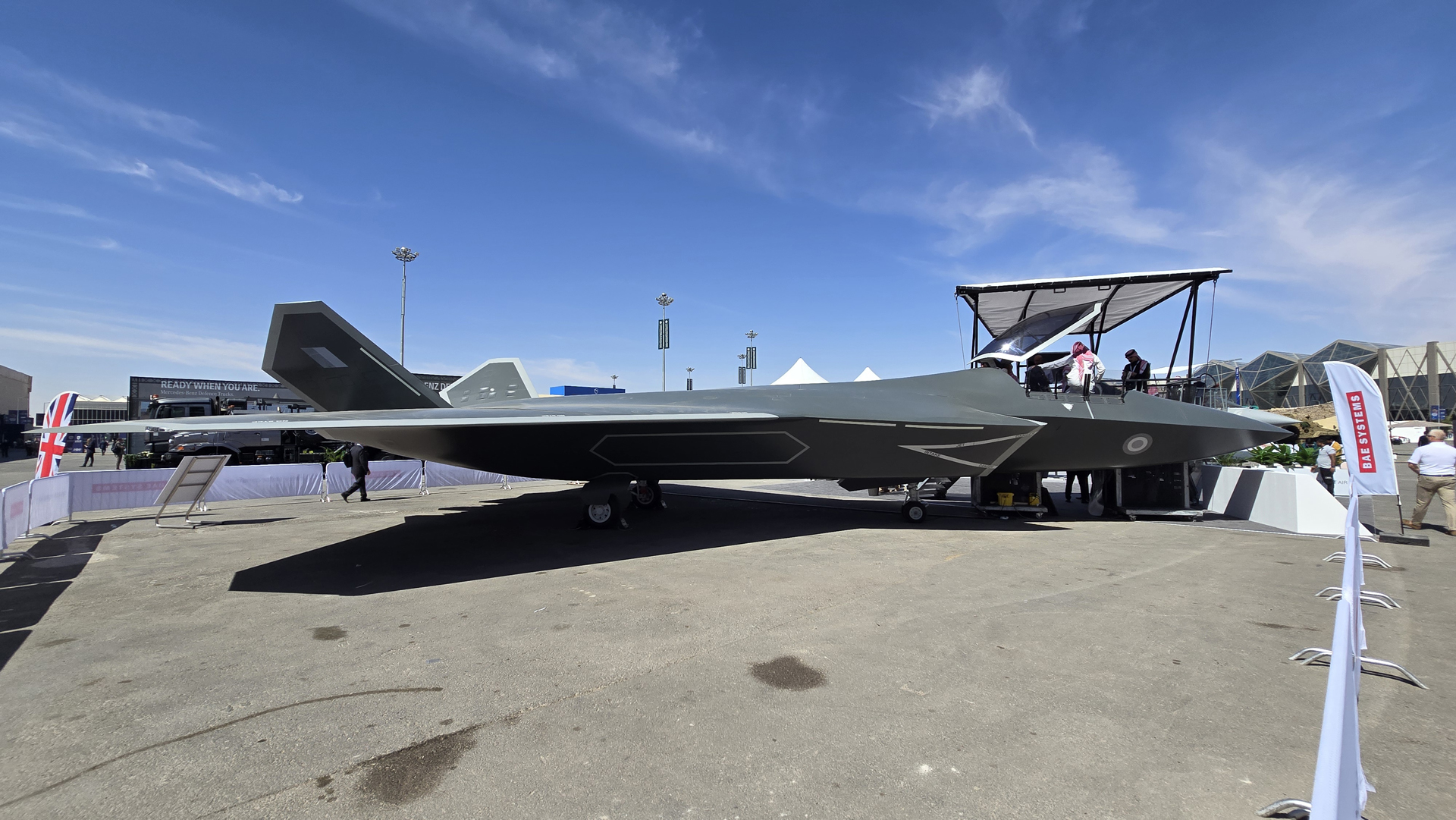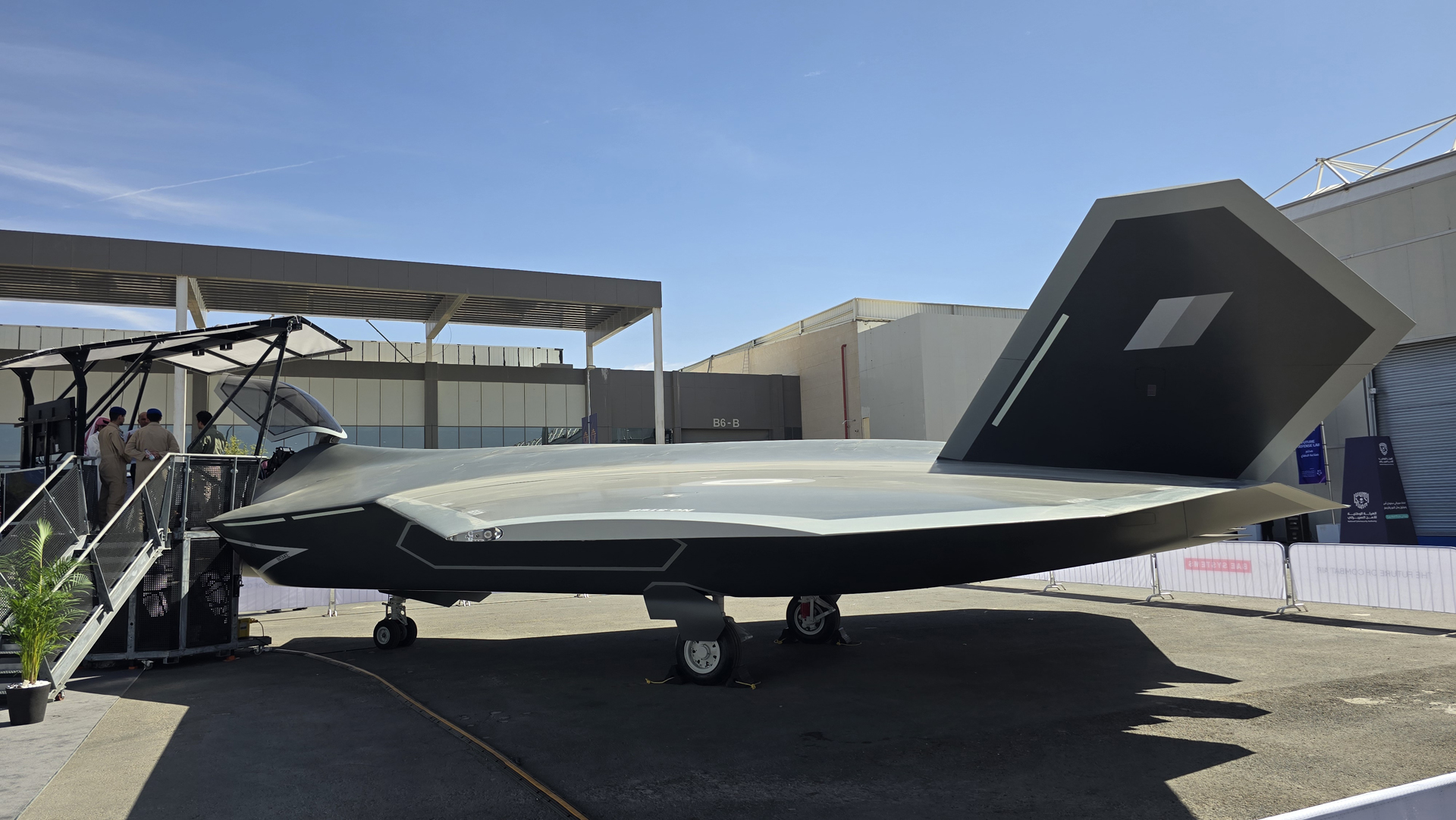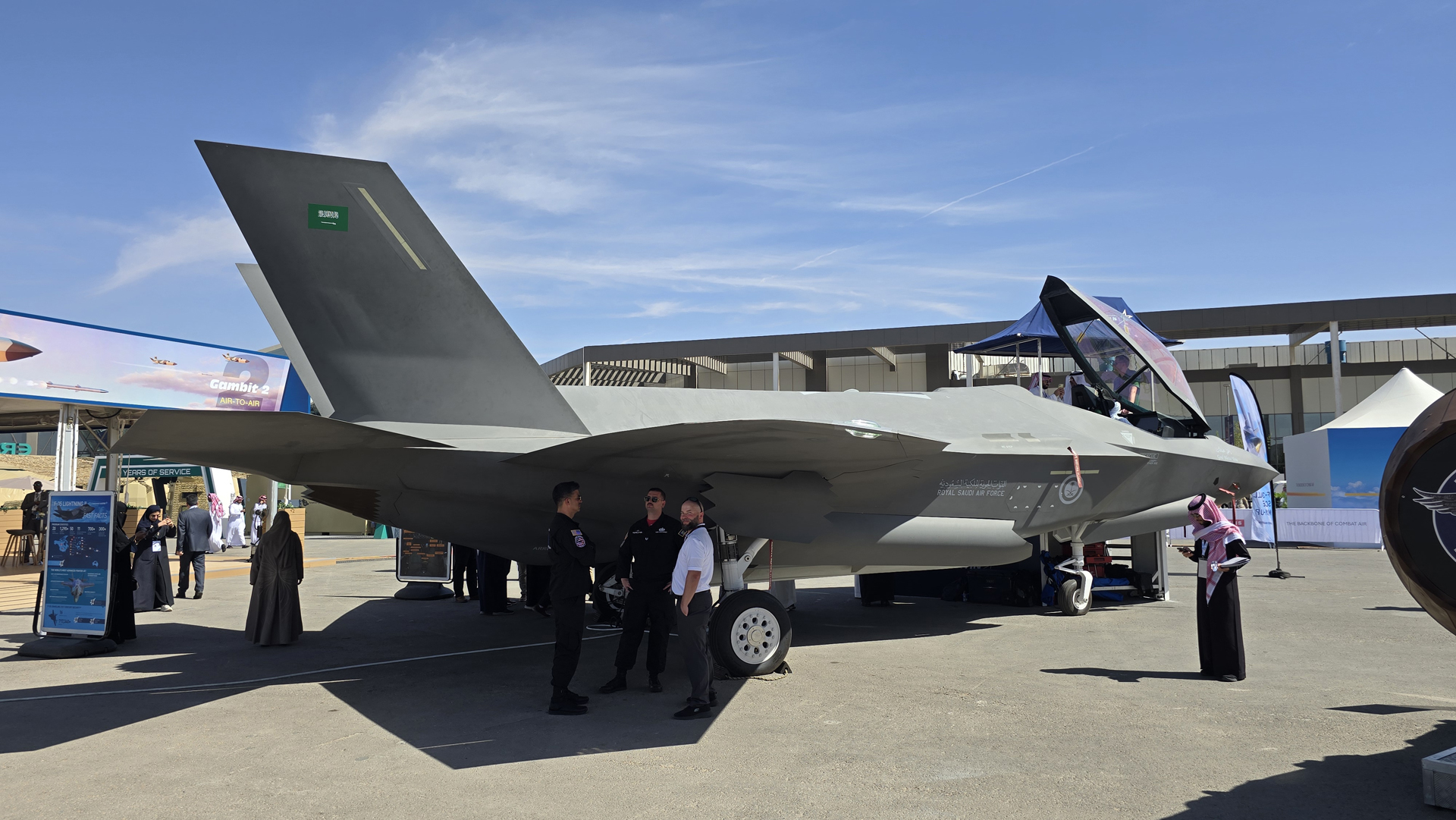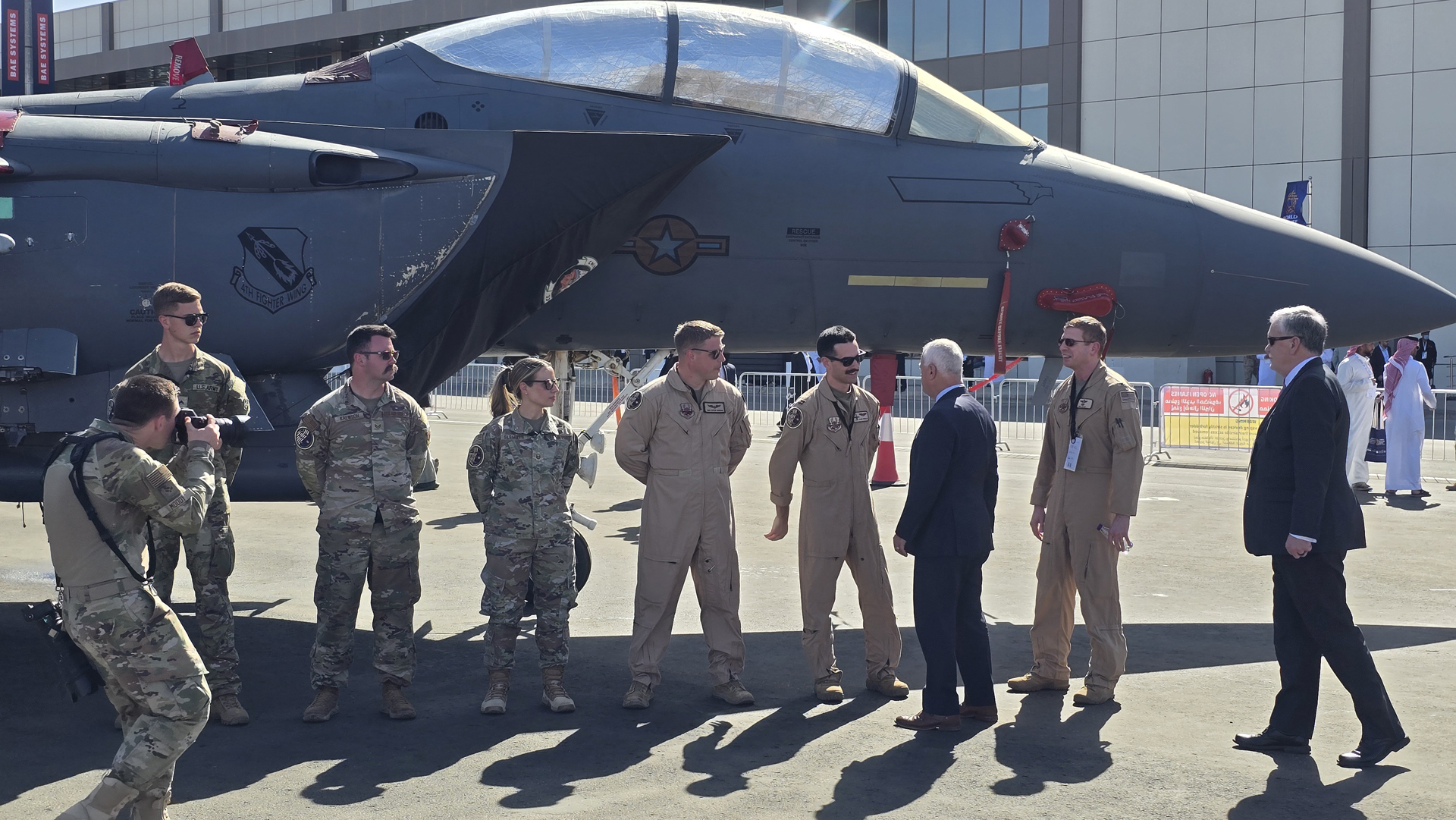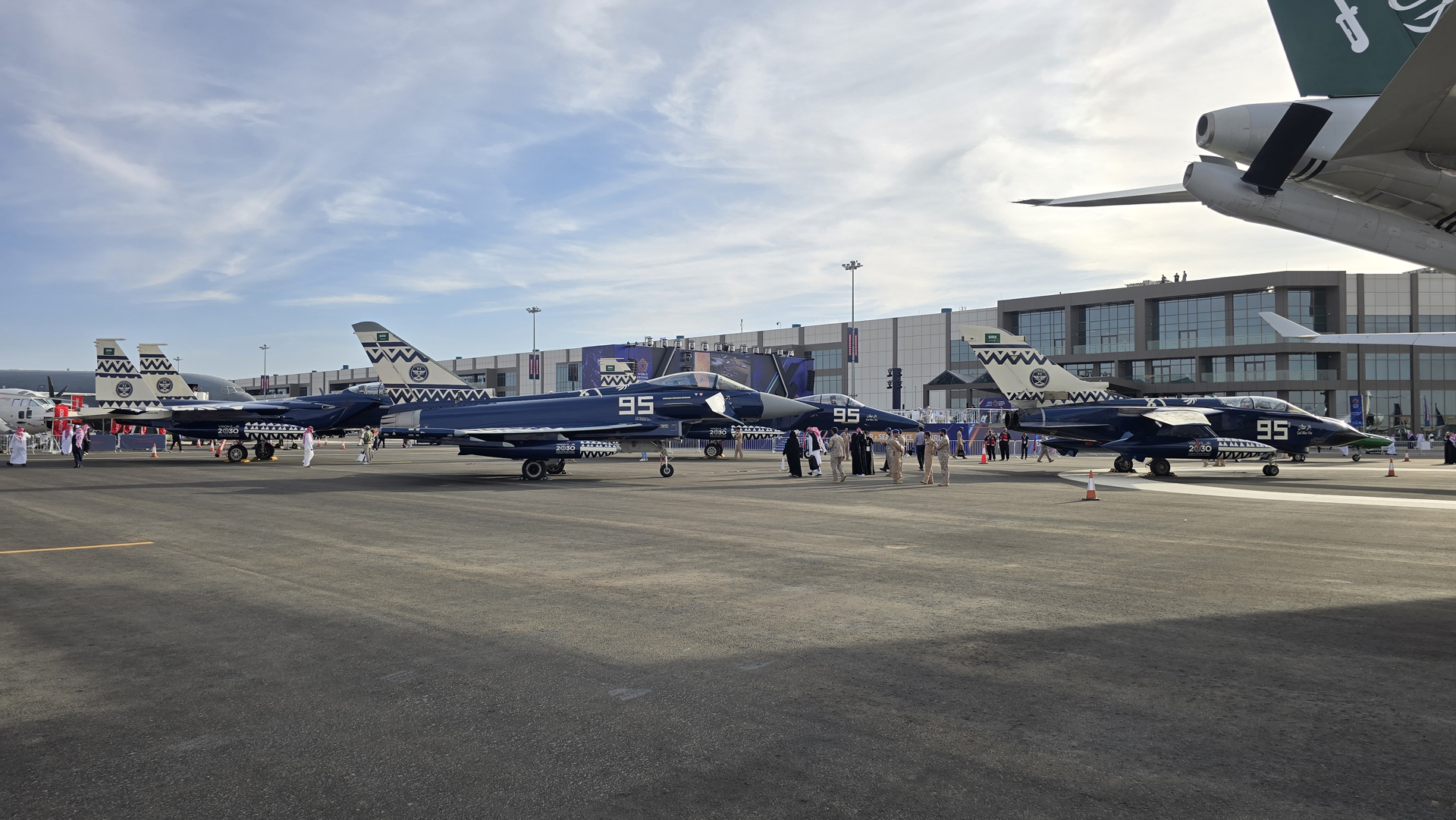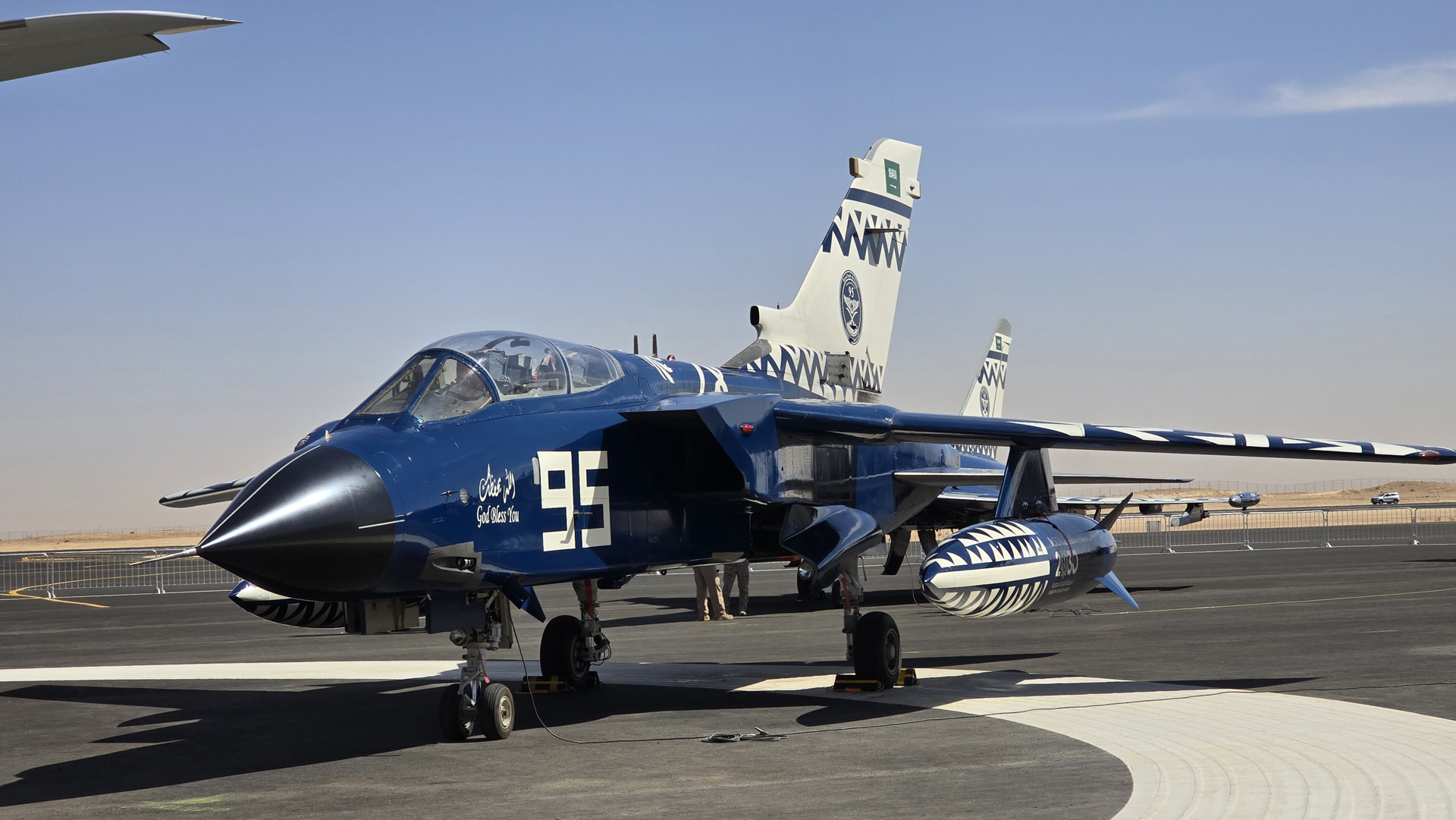

Held under the theme “The Future of Defense Integration”, the event covered five domains — air, land, sea, space and security. But for aviation enthusiasts, the aircraft outside the exhibition halls were among the most impressive parts of the show.
The scale was considerable. The organisers reported 1,486 exhibitors from 89 countries, 137,000 visitors and 513 official delegations from 121 countries. More than 700 military assets were displayed, including 63 aircraft on static display and 25 aircraft taking part in the flying programme.
Aviation in the desert
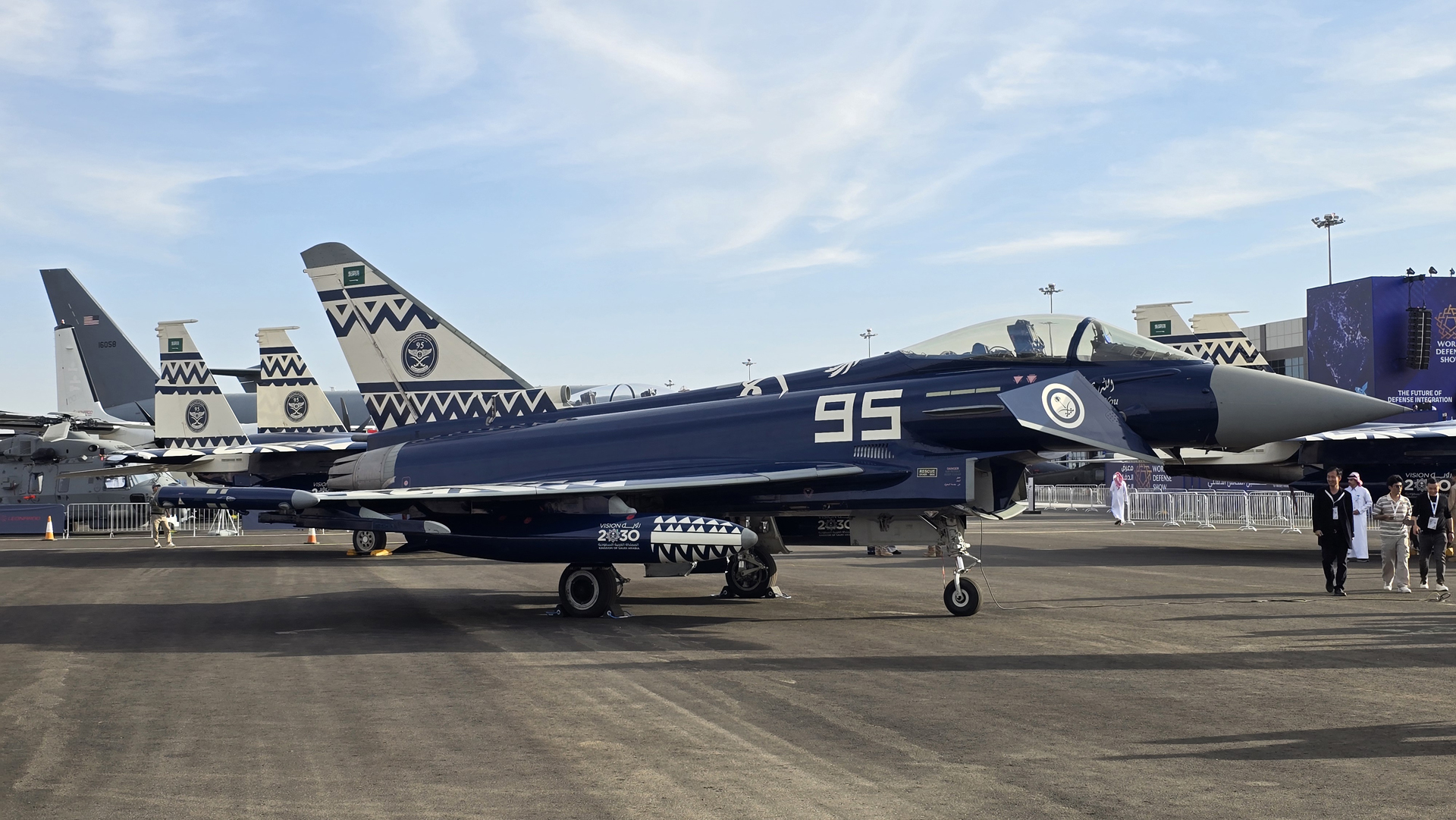
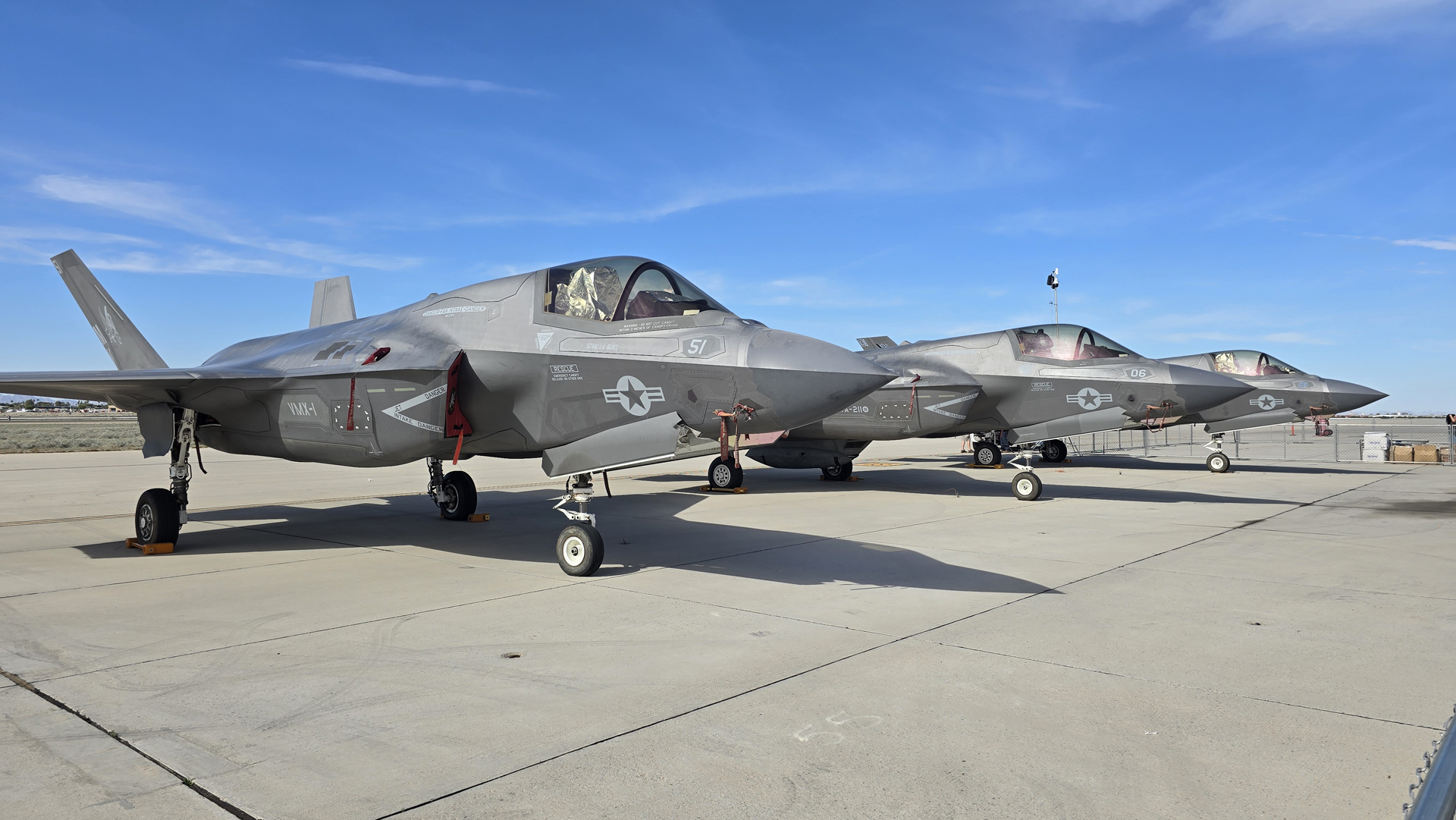
Unlike many defence exhibitions, WDS has its own substantial flying programme. In 2026 it included some of the most recognisable combat aircraft in the world, including the F-15, F-16, F-35 and Eurofighter Typhoon.
The aircraft were not confined to the static ramp. Throughout the five-day event, visitors could see modern combat aircraft operating above the exhibition grounds, turning the show into something approaching an international airshow as well as a defence exhibition.
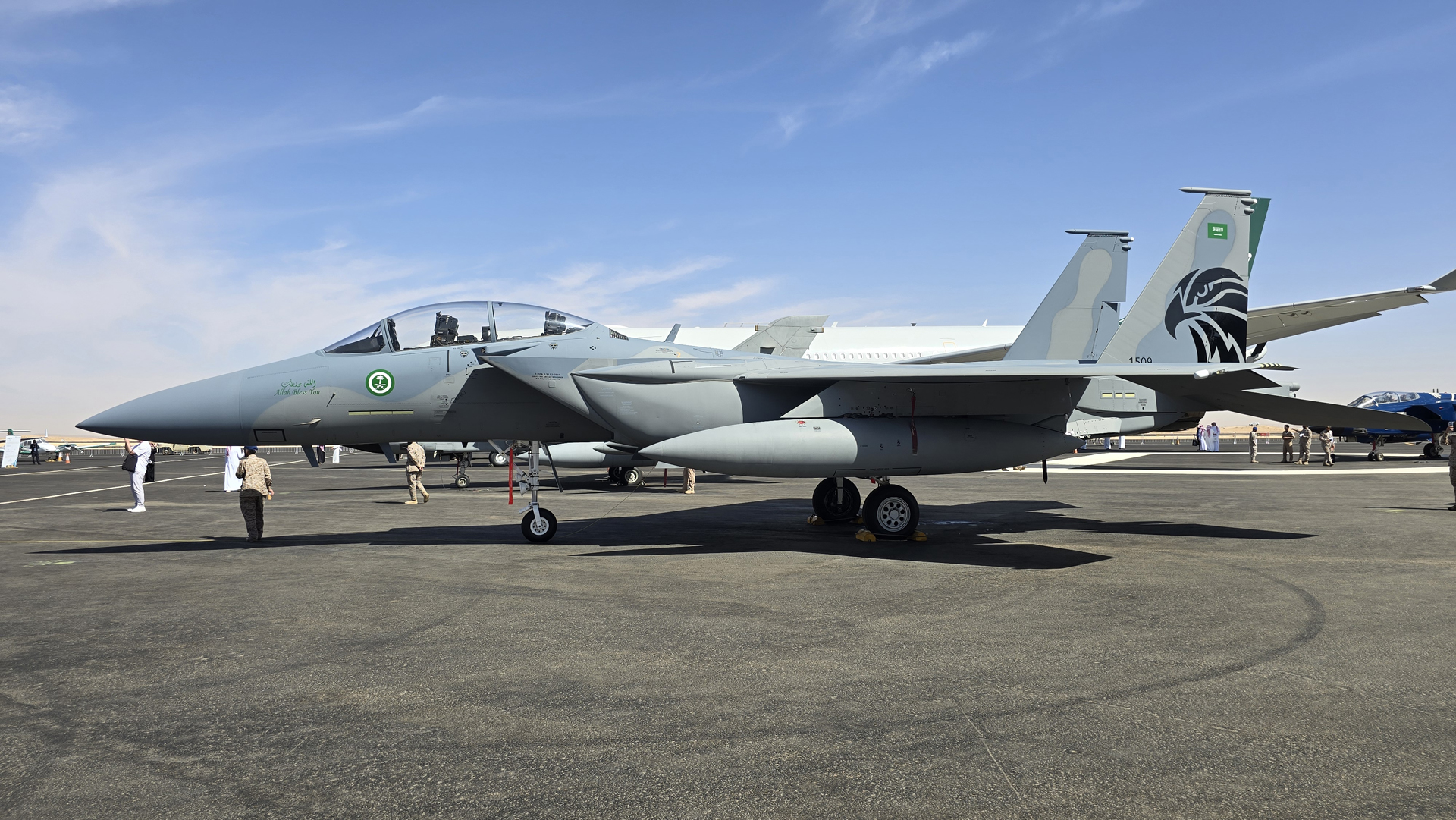
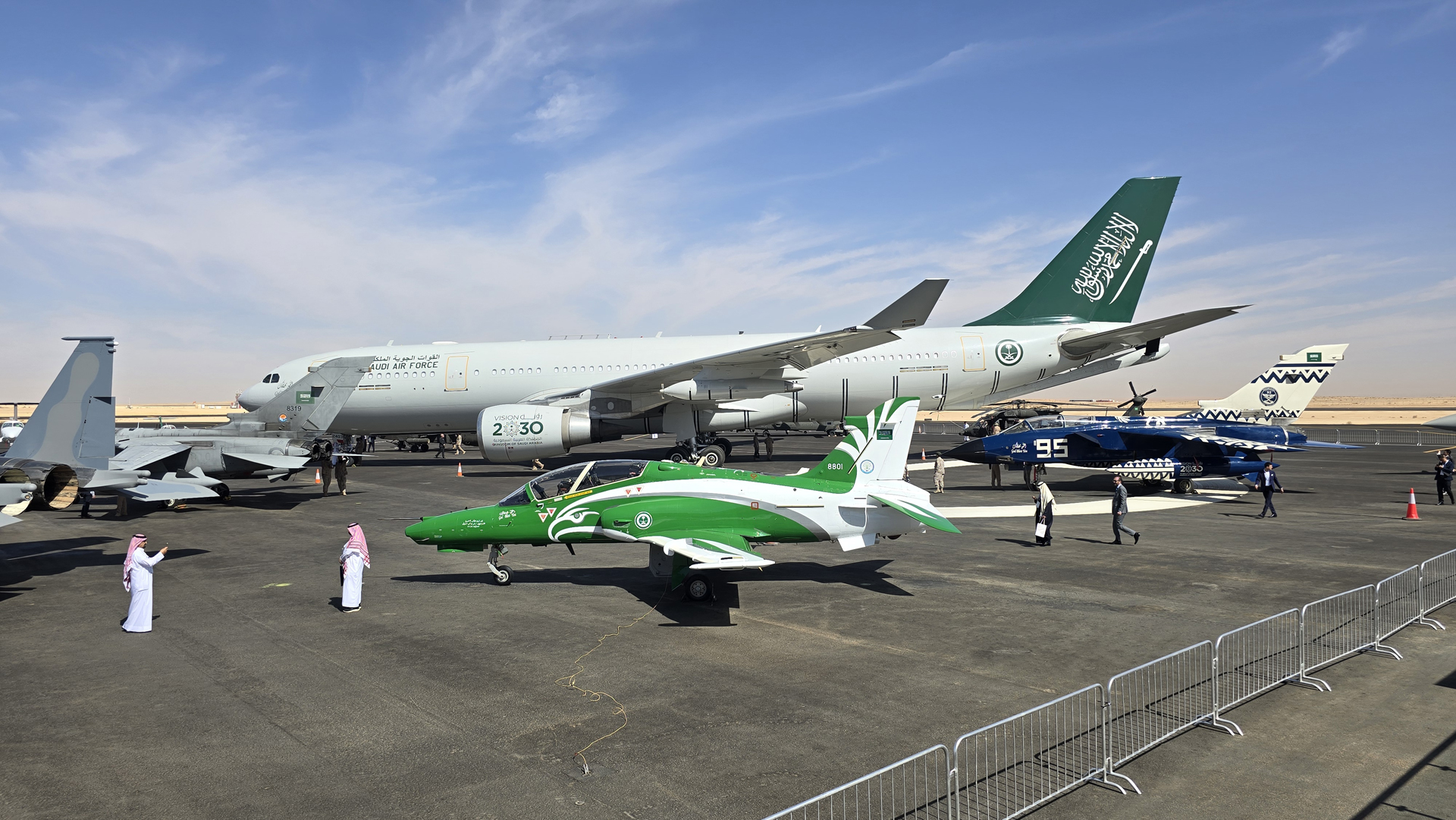
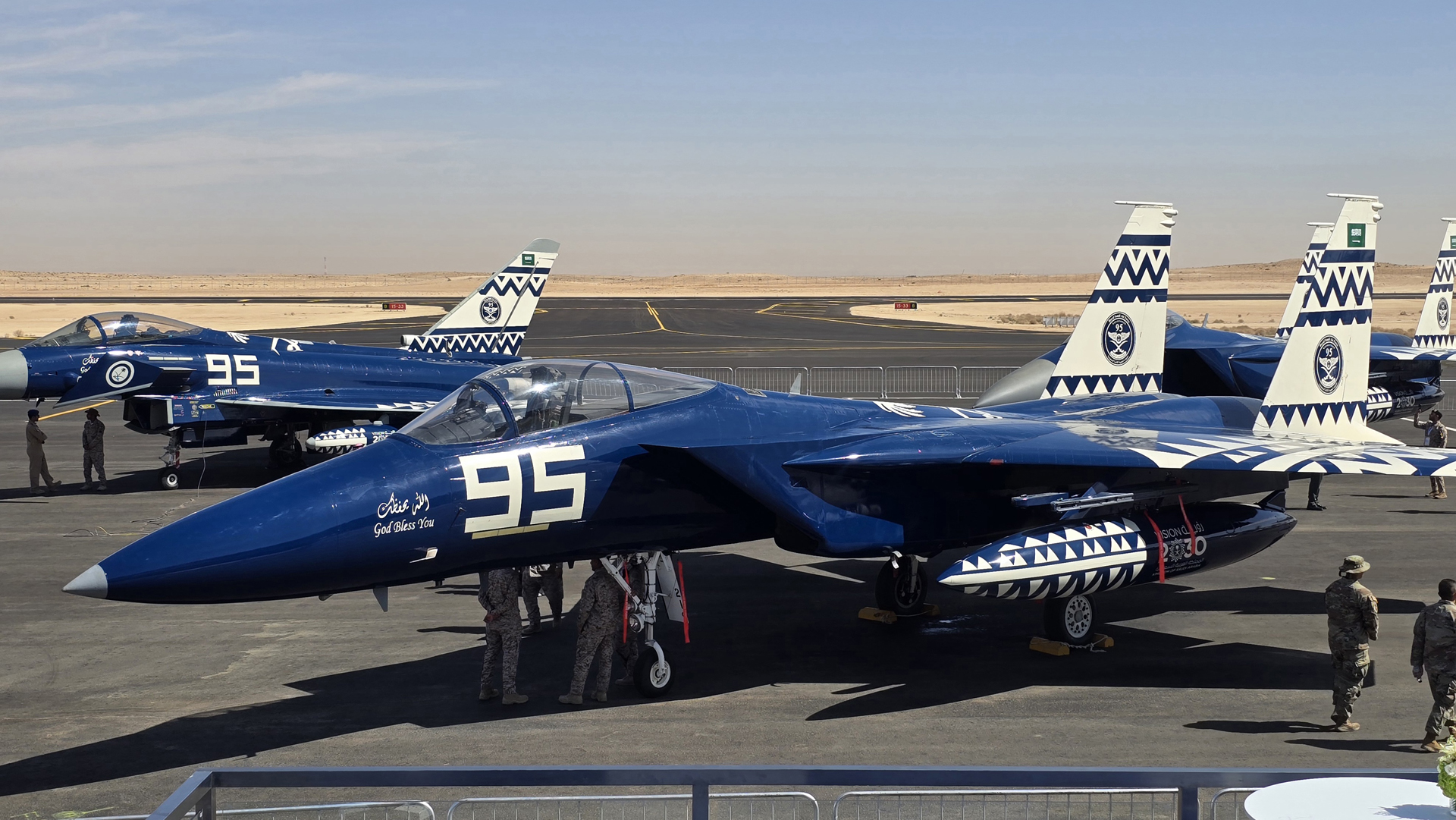
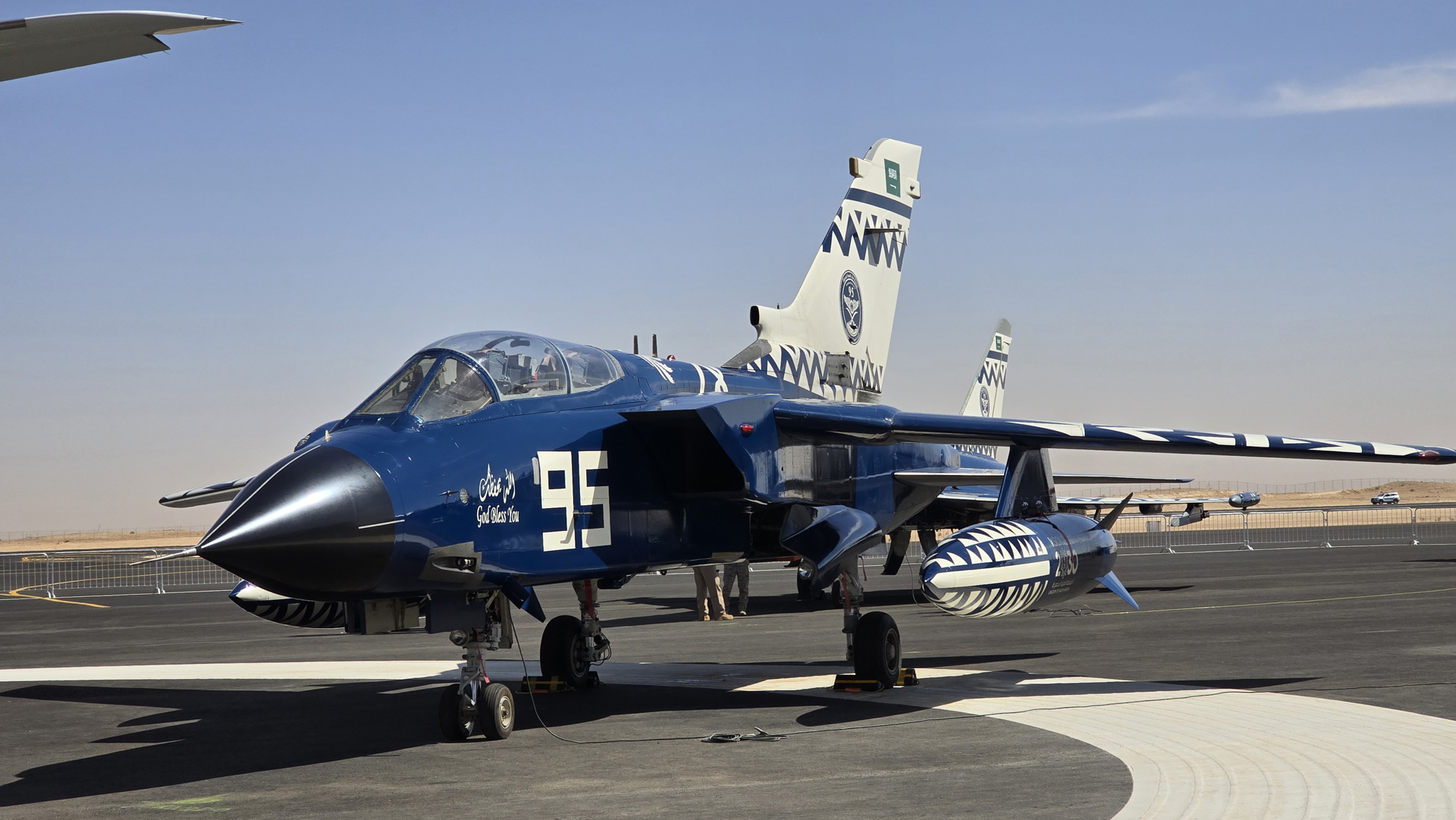
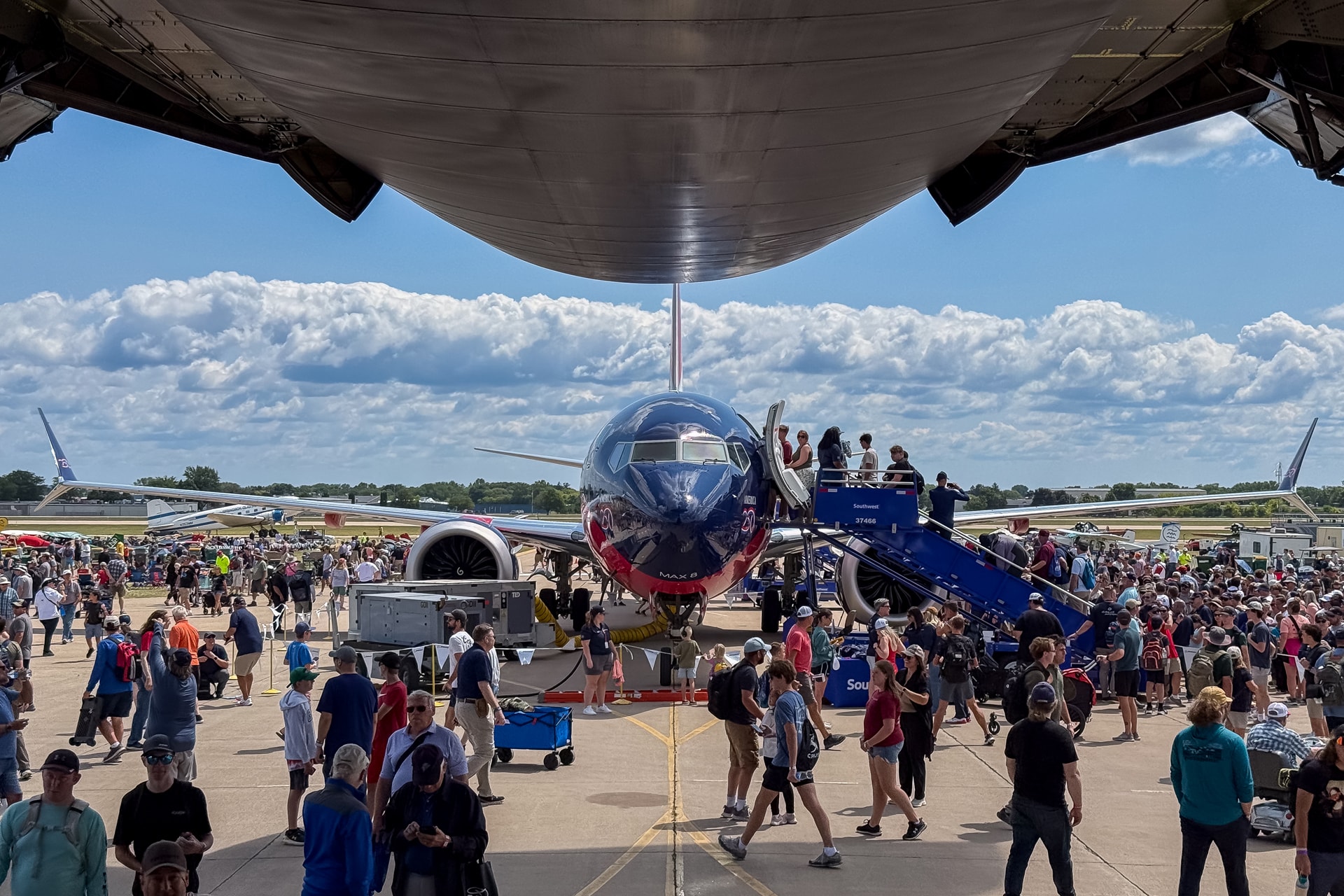
The static display offered an equally impressive selection, with fighters, transport aircraft, helicopters and special-mission platforms gathered together from Saudi Arabia and numerous international participants.
Saudi Arabia takes centre stage
The host nation was naturally one of the most visible participants.
The Royal Saudi Air Force displayed some of its most important aircraft, including the F-15SA, while the Saudi Hawks represented the country’s military flying display capability.
The 2026 show also featured the new Hawk T.165 used by the Saudi Hawks, highlighting the importance of training and aerospace development alongside the operational aircraft.
The Saudi presence extended well beyond the flight line. WDS is closely connected to Saudi Arabia’s Vision 2030 programme and its ambition to develop a much larger domestic defence industry. The exhibition therefore served as both an international showcase and a platform for Saudi companies and government organisations.
An international flying programme
The international character of the event was perhaps most visible in the air.
Alongside the Saudi Hawks, the Republic of Korea Air Force Black Eagles performed at WDS, bringing their T-50 aircraft to Saudi Arabia for their first display in the Middle East.
The combination of the Black Eagles and Saudi Hawks gave the event a distinctly airshow-like atmosphere, while the combat aircraft flying programme provided a very different demonstration of military aviation.
More than an airshow
Despite the impressive aviation programme, aircraft were only one part of WDS.
The exhibition also featured extensive displays of ground vehicles, naval systems, unmanned aircraft, sensors, weapons and other defence technologies. New areas introduced for 2026 included the Unmanned Systems Zone, Naval Zone, Future Defense Lab and Saudi Supply Chain Zone.
That broader scope was central to the show’s theme of defence integration. Rather than presenting individual weapons platforms in isolation, WDS increasingly focused on how aircraft, ships, vehicles, satellites, autonomous systems and command networks work together.
The contrast was visible throughout the event. Outside were some of the world’s most advanced crewed military aircraft; inside, a significant amount of attention was focused on autonomous systems, artificial intelligence and other technologies that are likely to shape future military operations.
A growing Saudi defence industry
Another important aspect of WDS was the industrial story behind the exhibition.
Saudi Arabia is attempting to expand its domestic defence industry as part of Vision 2030, with a stated objective of localising more than 50% of military spending by 2030.
The 2026 show reflected that ambition through local companies, international partnerships and agreements focused on manufacturing, technology and supply chains.
By the end of the event, GAMI reported 60 military and defence deals with a combined value of approximately SAR 33 billion.
Riyadh 2026
World Defense Show 2026 was an unusual event to photograph.
It combined the scale of a major international defence exhibition with the atmosphere of an airshow. On the ramp, F-15s, F-16s, F-35s, Typhoons, transport aircraft and helicopters represented the current generation of military aviation. In the sky, combat aircraft and aerobatic teams provided a continuous reminder that this was a working defence event rather than simply a static exhibition.
At the same time, the exhibition halls looked towards the future, with unmanned systems, autonomous technology and new approaches to multi-domain operations occupying an increasingly important position.
For five days, Riyadh brought together both sides of that equation — the aircraft that define military aviation today and the technologies intended to shape what comes next.
The next edition of the World Defense Show is scheduled for 2028.