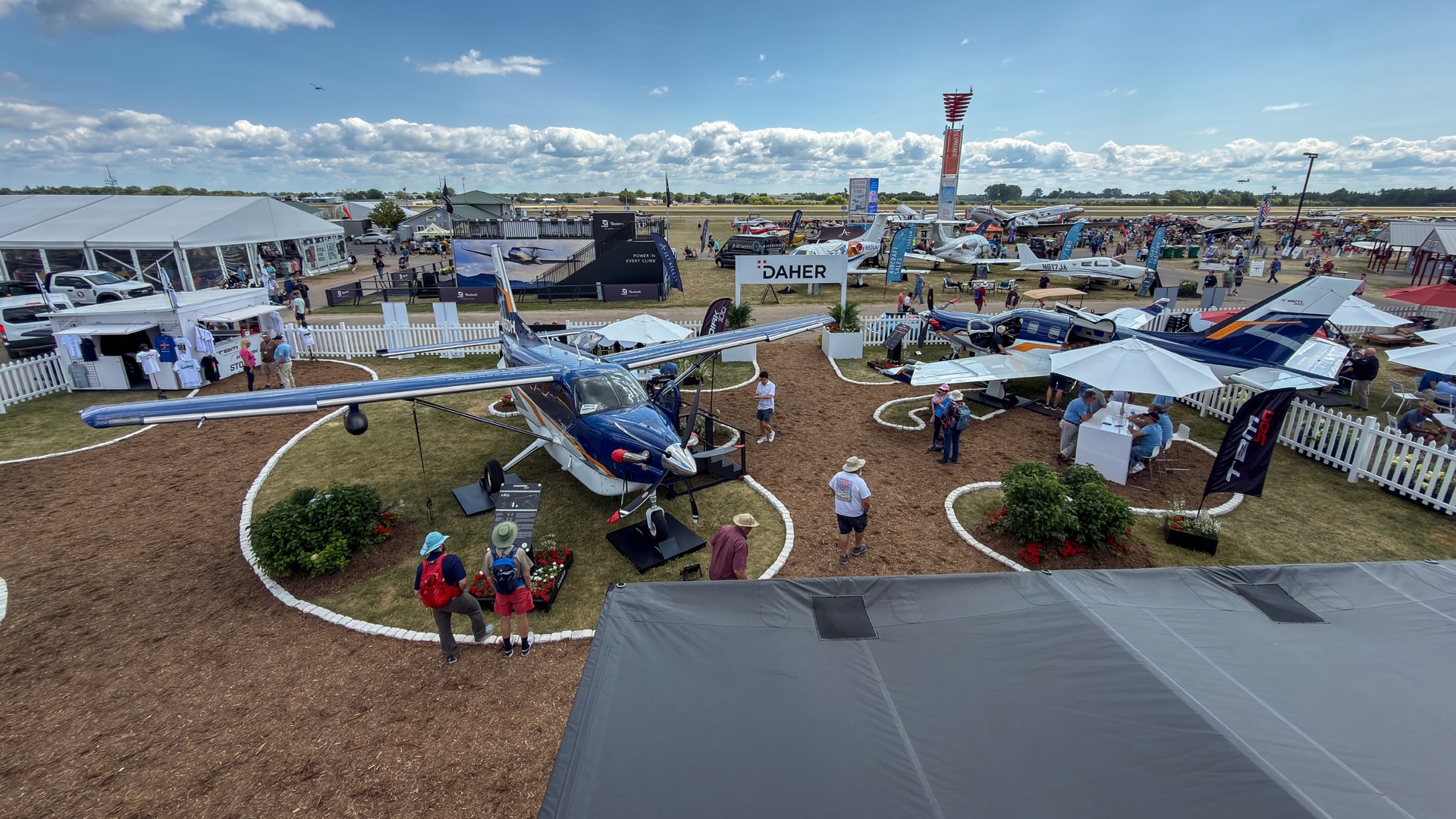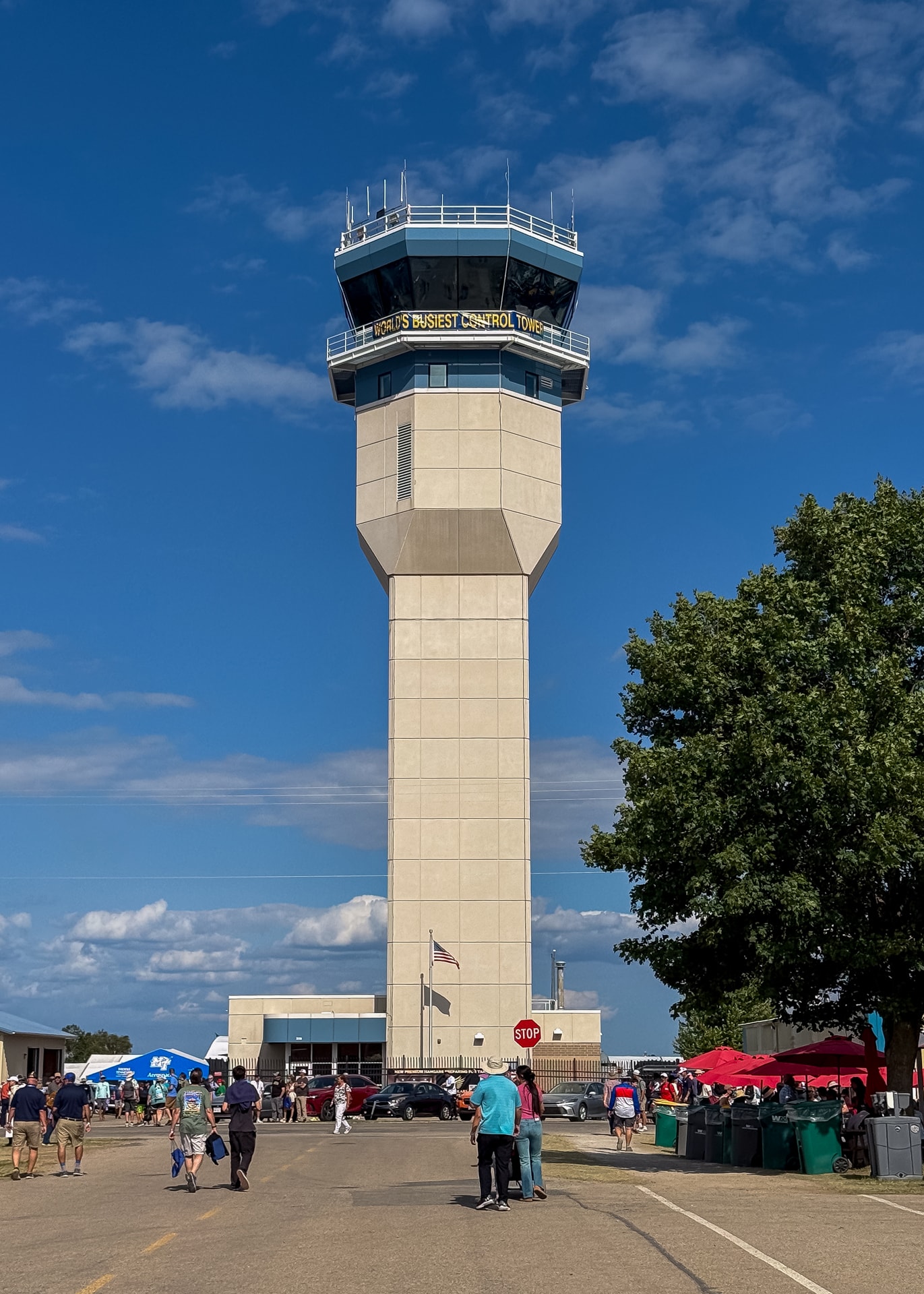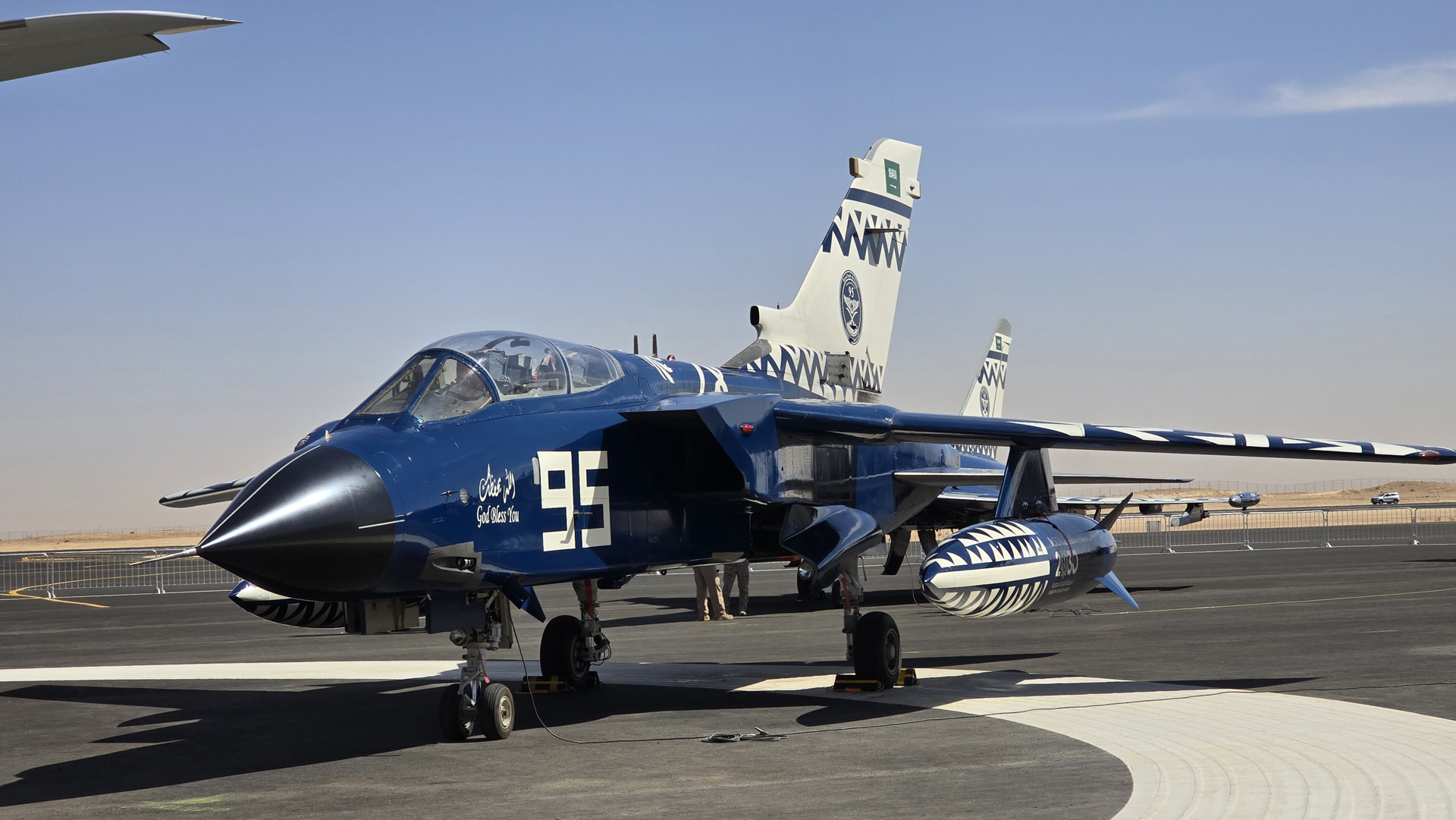

“Oh my God!” – in true American style, that is how I would sum up my first, and certainly not my last, EAA AirVenture Oshkosh. This year’s event was particularly special, as it coincided with celebrations marking the 250th anniversary of the United States. The sheer number of aircraft, spectacular airshows, and the incredible number of aviation enthusiasts can truly make your head spin.
Arrival with own plane
One of the best ways to get to Oshkosh is by flying in your own aircraft. While this is relatively uncommon in Europe, in the US the organisers actively encourage pilots to fly in, and even prefer this over arriving by car. Participants can pitch tents next to their aircraft and camp there, giving them direct access to the airshow grounds and the event itself.
For pilots, it is also a fantastic opportunity to meet other aviators. For example, during Oshkosh I spoke with both a private owner of a Cessna 340 and senior executives from one of the larger aviation companies who also happen to own a Mooney M20. Both had flown in with their own aircraft and were sleeping in tents, fully embracing the spirit of the event.
IFR arrivals are relatively straightforward – you need to obtain a slot and then follow the published procedures. The only real challenge is the limited number of IFR slots. Arriving VFR, however, is something every pilot should experience at least once in their lifetime. One of the most famous arrival routes is the so-called Fisk Arrival.
Every day is different
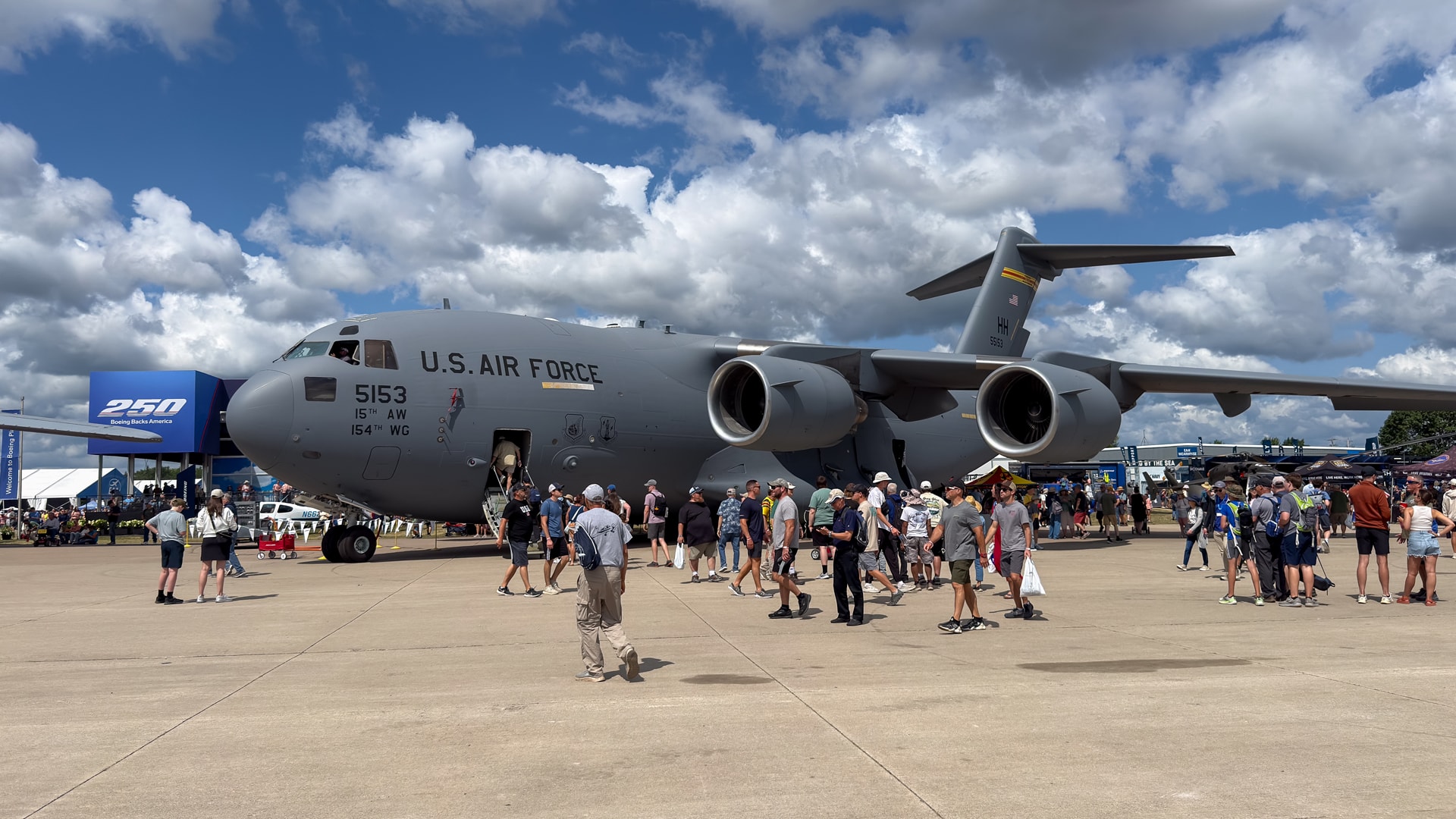
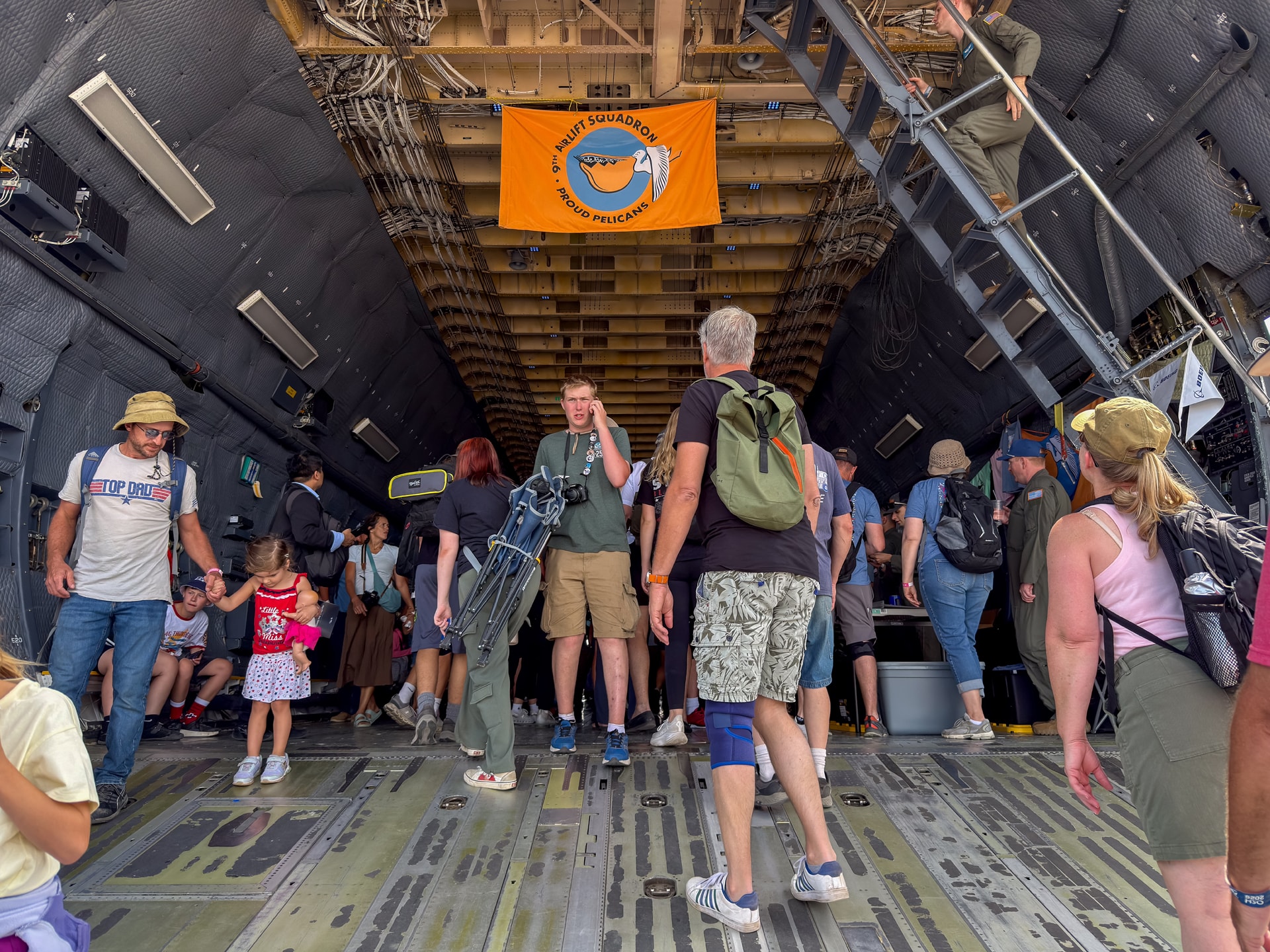
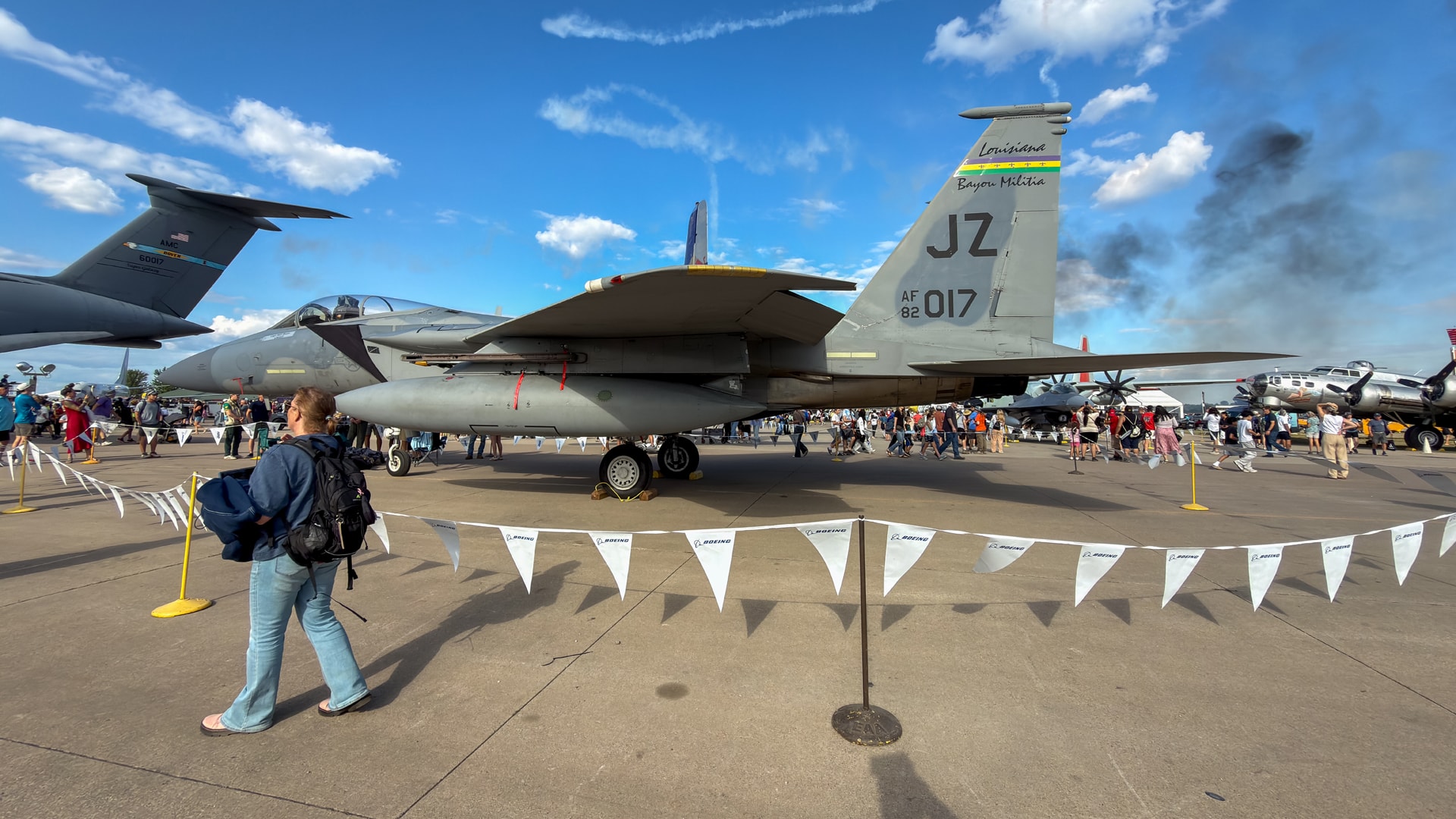
After landing – or arriving by car – in Oshkosh, it is time to explore the static display. And I am not talking only about the aircraft parked throughout the camping areas, whose numbers run into the thousands. Boeing Plaza is the central stage of EAA AirVenture, where different aircraft can be seen every day.
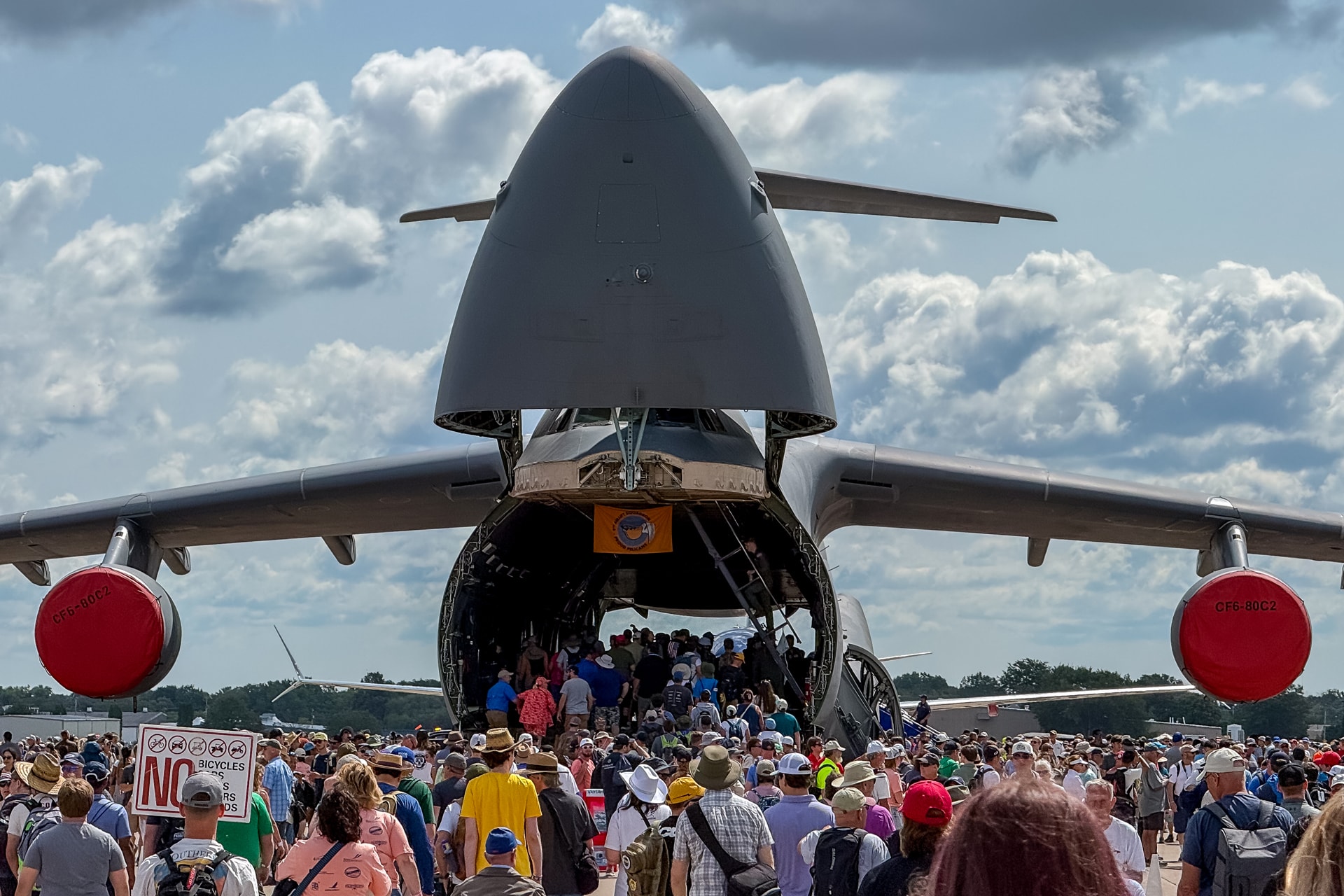
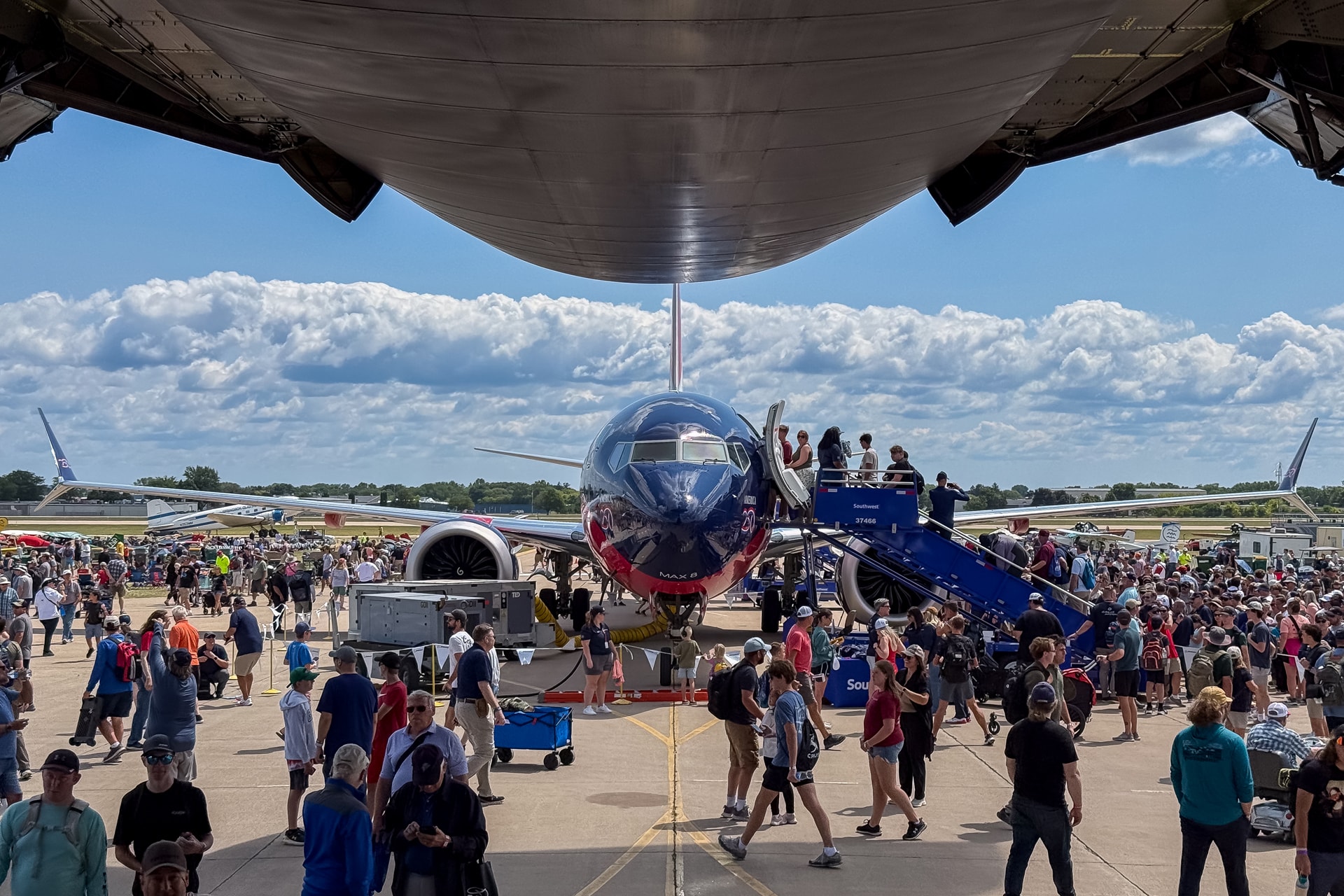
This year, on Monday, visitors could admire a Boeing 777 operated by the Arizona Cardinals football team. Wednesday was the day for a C-5 Galaxy and a Southwest B737 in a unique livery celebrating the 250th anniversary of the United States. Towards the end of the week, the A321 of American Airlines took its place, having brought war veterans to Oshkosh as part of the so-called Honor Flight. All of these aircraft arrived and departed around the beginning or end of the day, allowing as many visitors as possible to see them.
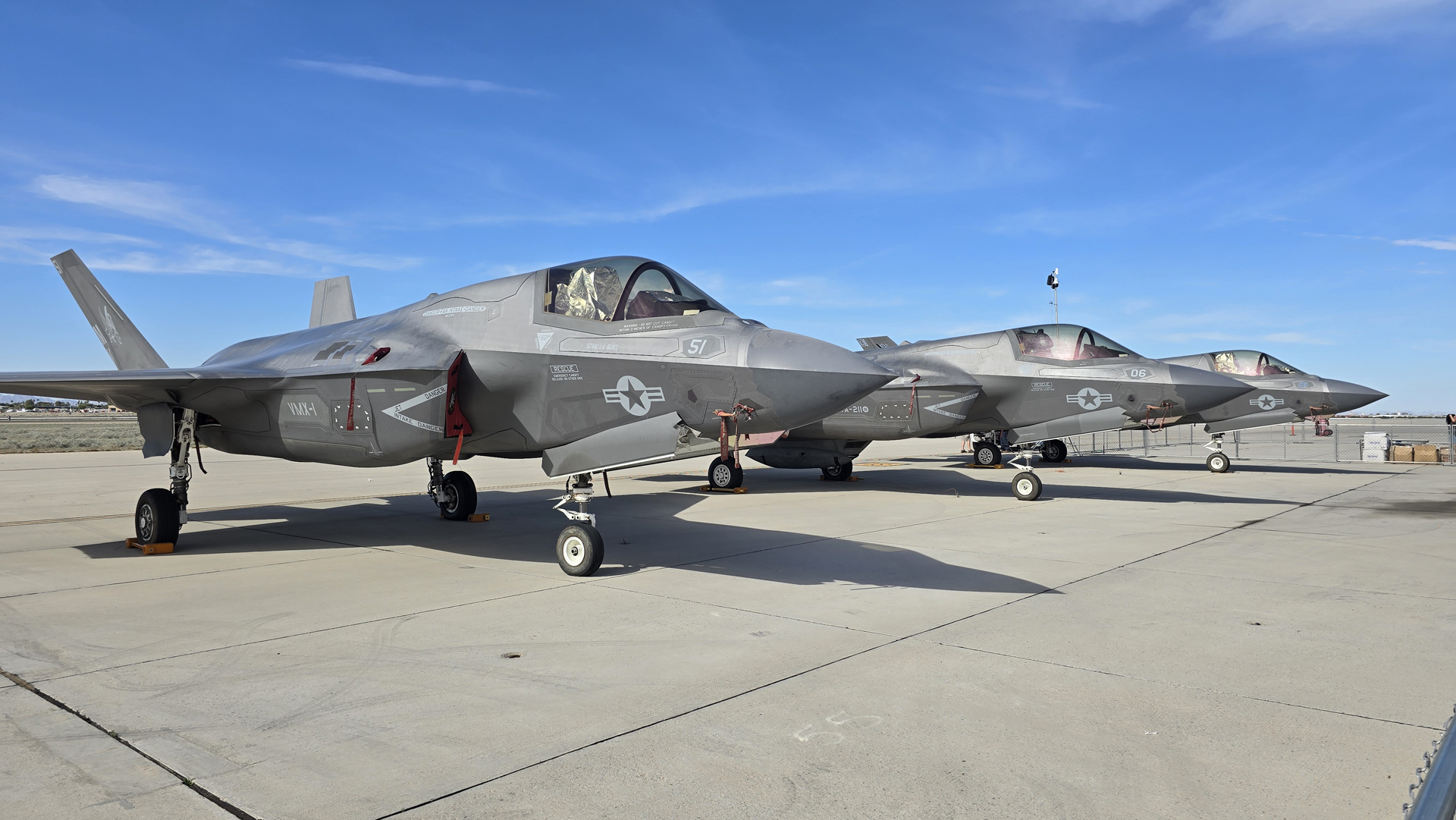
Additional arrivals and departures of smaller aircraft during the airshow are also part of everyday life at Oshkosh. Even major changes to the static display, particularly involving aircraft taking part in the airshow, are carried out remarkably efficiently with crowds of people all around. For example, in the morning I watched two NASA F-15s in their distinctive special liveries operating around the field, while in the afternoon they had been replaced by the latest F-35s. All this with minimal barriers and nothing more than a “look but don’t touch” card. When there’s a will and respect, everything is possible.
The airshows themselves are equally dynamic, with a different programme every day. On Monday, visitors could watch the F-16 Demo Team alongside historic P-51 Mustangs. Tuesday was dedicated to aerobatic aircraft and other warbirds, while Friday featured the U.S. Navy F-35 demonstration, the Red Arrows and the Red Bull Air Force. Yes — as part of the 250th-anniversary celebrations, Oshkosh welcomed some of Europe’s leading display teams, with their performances spread across different days.
Visitors to European airshows may be accustomed to a continuous flying programme running from morning until evening. At EAA AirVenture, however, the main airshow does not begin until the afternoon. The organisers deliberately leave the morning free so visitors can explore the enormous static display and the countless exhibitors and booths without having to choose between them and the flying programme.
Warbirds and vintage
While the central part of the event is dominated by aircraft and exhibitors around Boeing Plaza, there is plenty more to discover throughout the grounds. To the right we may find a dedicated Warbirds area, while to the left, the Vintage Aircraft area is located. Both can be explored freely, allowing visitors to get up close to the aircraft, admire them and talk to their pilots. In both areas, visitors can also sign up for a guided tour known as “Warbirds in Review” or “Vintage in Review”, where a dedicated volunteer talks about the aircraft on display, sharing their history and various interesting facts. It is a great way to learn more about the machines beyond what you can see for yourself.
So, what kind of warbirds could you see? A huge variety of aircraft familiar to aviation enthusiasts from history books and countless films – iconic designs not only from the Second World War, but also from later periods. And all of them fully airworthy, which makes them even more special. P-51 Mustangs in various versions, a Boeing B-29 Superfortress, B-25 Mitchells, Thunderbolts, Corsairs and B-17 Flying Fortresses. The list could go on and on. You can spend hours looking at these aircraft and talking to their pilots about their history, maintenance and what they are like to fly. This human element creates an incredibly unique atmosphere. I can confidently say that even one full day may not be enough to properly explore everything on display.
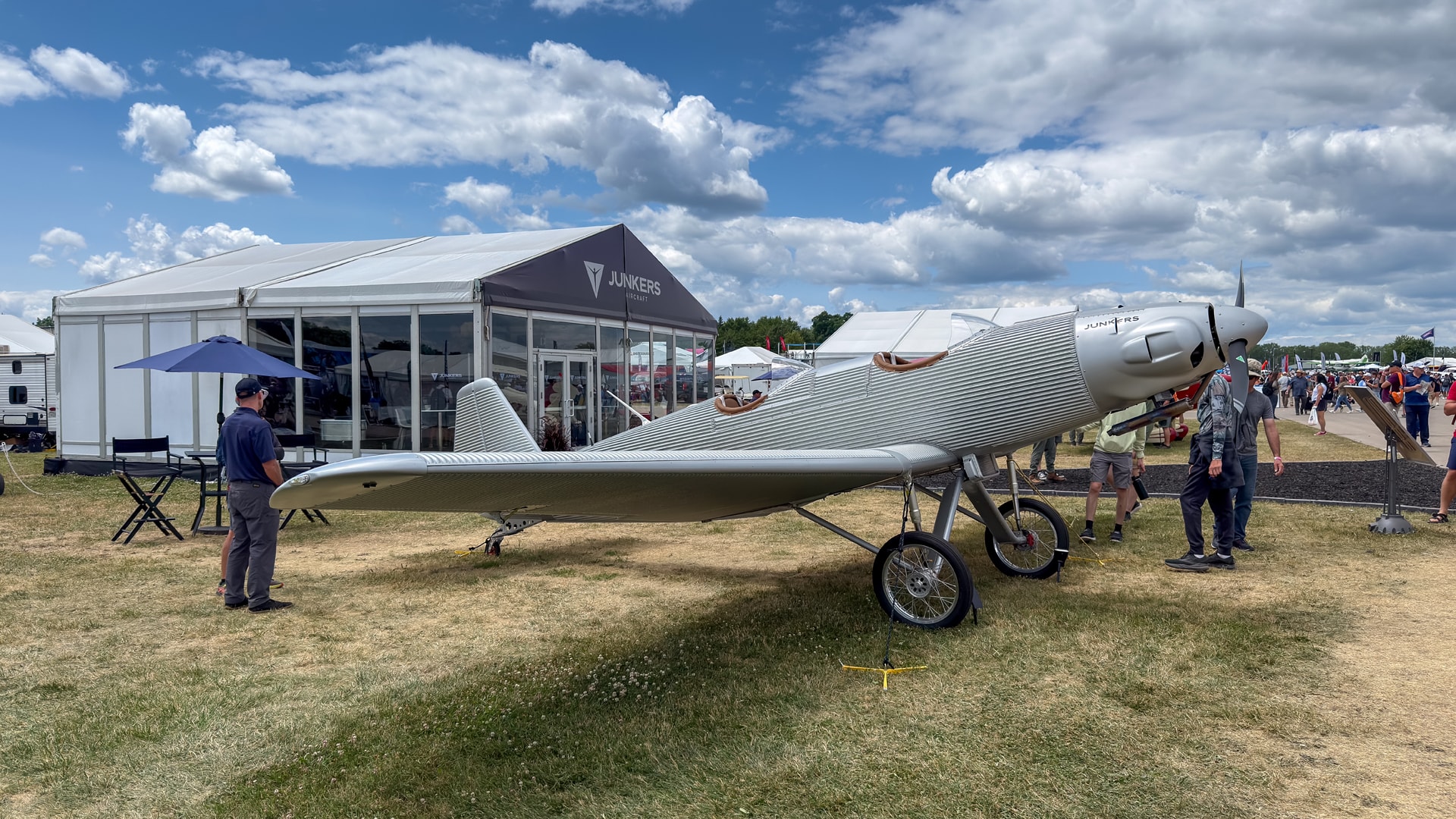
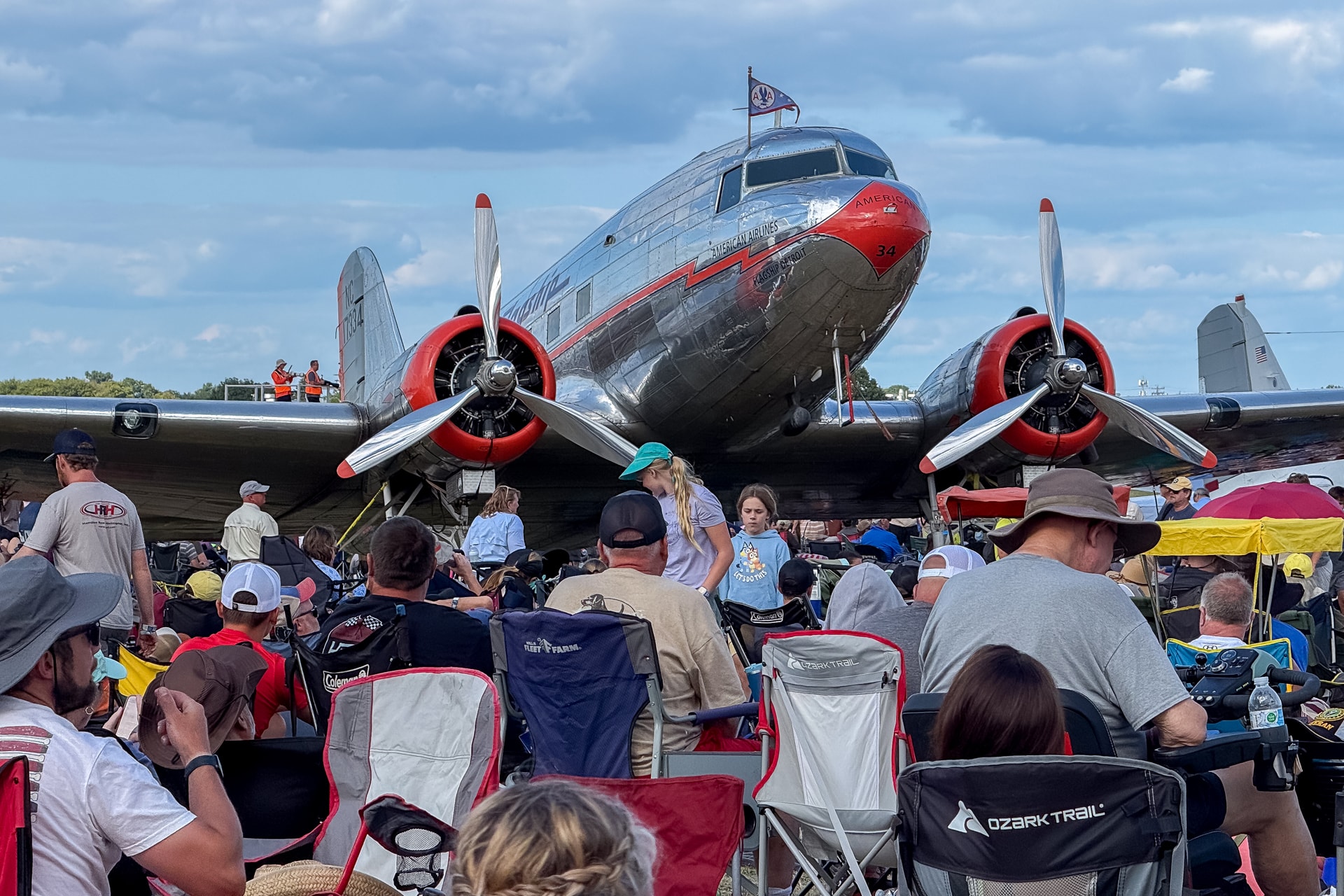
The Vintage area was equally impressive and extensive. I cannot remember the last time I saw so many well-preserved classic aircraft gathered in one place. Piper Comanches, Beechcraft B18s, Bonanzas more than 50 years old, Cessna 185s, a Ford Trimotor and historic floatplanes were just some of the highlights. The distinctive “Red Barn” hangar, evoking the history of agricultural aviation and housing a PA-18 Cub, adds even more character to this part of the event. Walking among these aircraft, I was genuinely impressed by how well maintained they were, both inside and out. They looked so good that you simply wanted to climb aboard and go flying!
Twilight Flight Fest
After the main daytime airshows are over, Oshkosh does not simply wind down. One of the more interesting evening events is the Twilight Flight Fest, held in another part of the airport – the Fun Fly Zone, an area dedicated to ultralights, light aircraft, gyrocopters and STOL aircraft. This is where you will find the distinctive approximately 270-metre grass runway. On evenings without the main night airshow, from 8:00 p.m. onwards, the area becomes a stage for a series of displays focusing on some of the less conventional forms of aviation.
The evening begins with the EAA STOL Demonstration, where highly modified bush planes showcase their short take-off and landing capabilities. This is followed by 3D RC aircraft, drone displays and other unusual flying machines, including eVTOLs and balloons – aircraft you are unlikely to see during the main airshow.
News and more
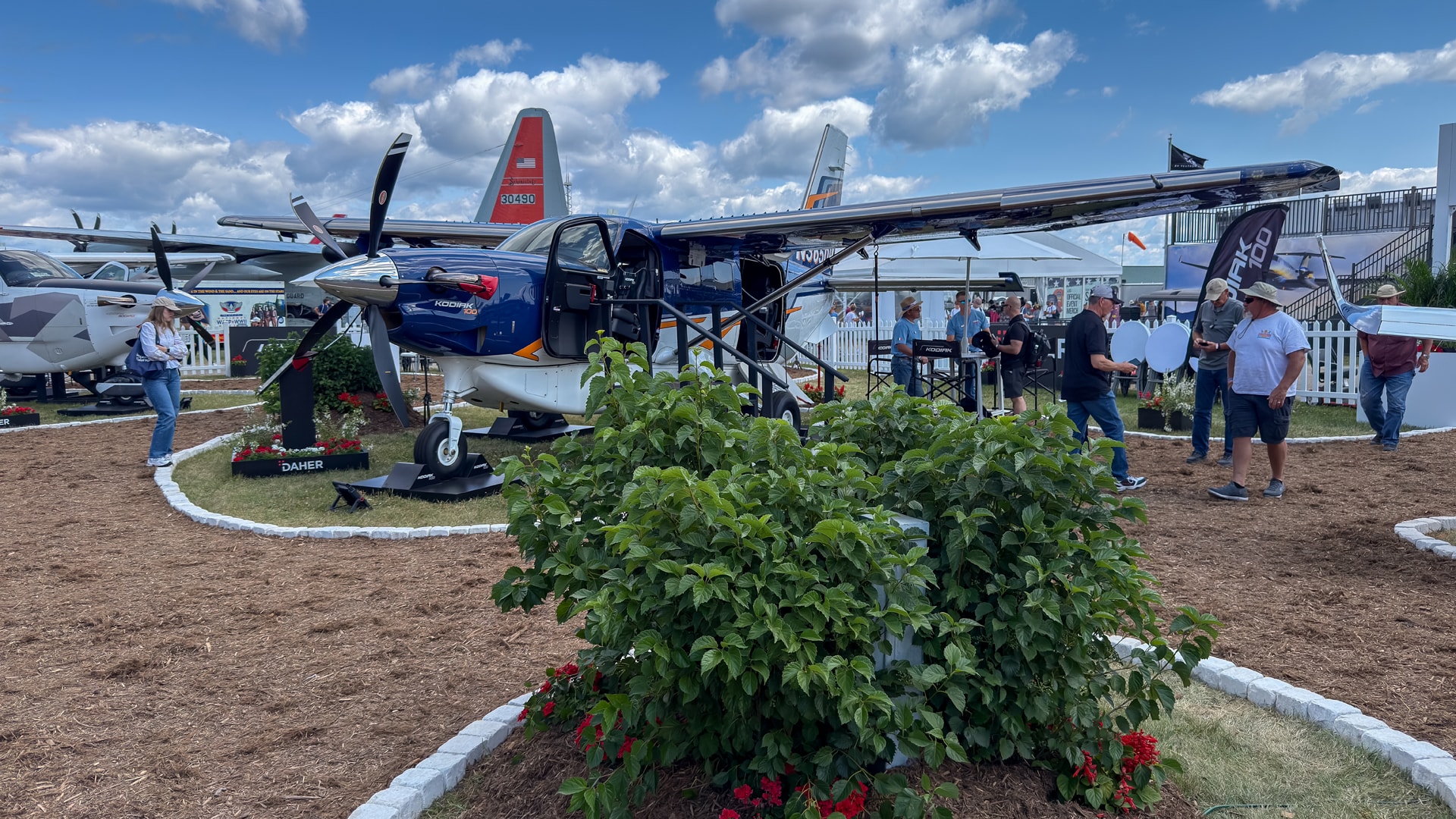
Like any major aviation event, Oshkosh is a great opportunity for manufacturers to showcase the latest developments in the industry. While the event does not feature quite as many premieres as European aviation trade shows, there was still plenty of new technology and aircraft to discover.
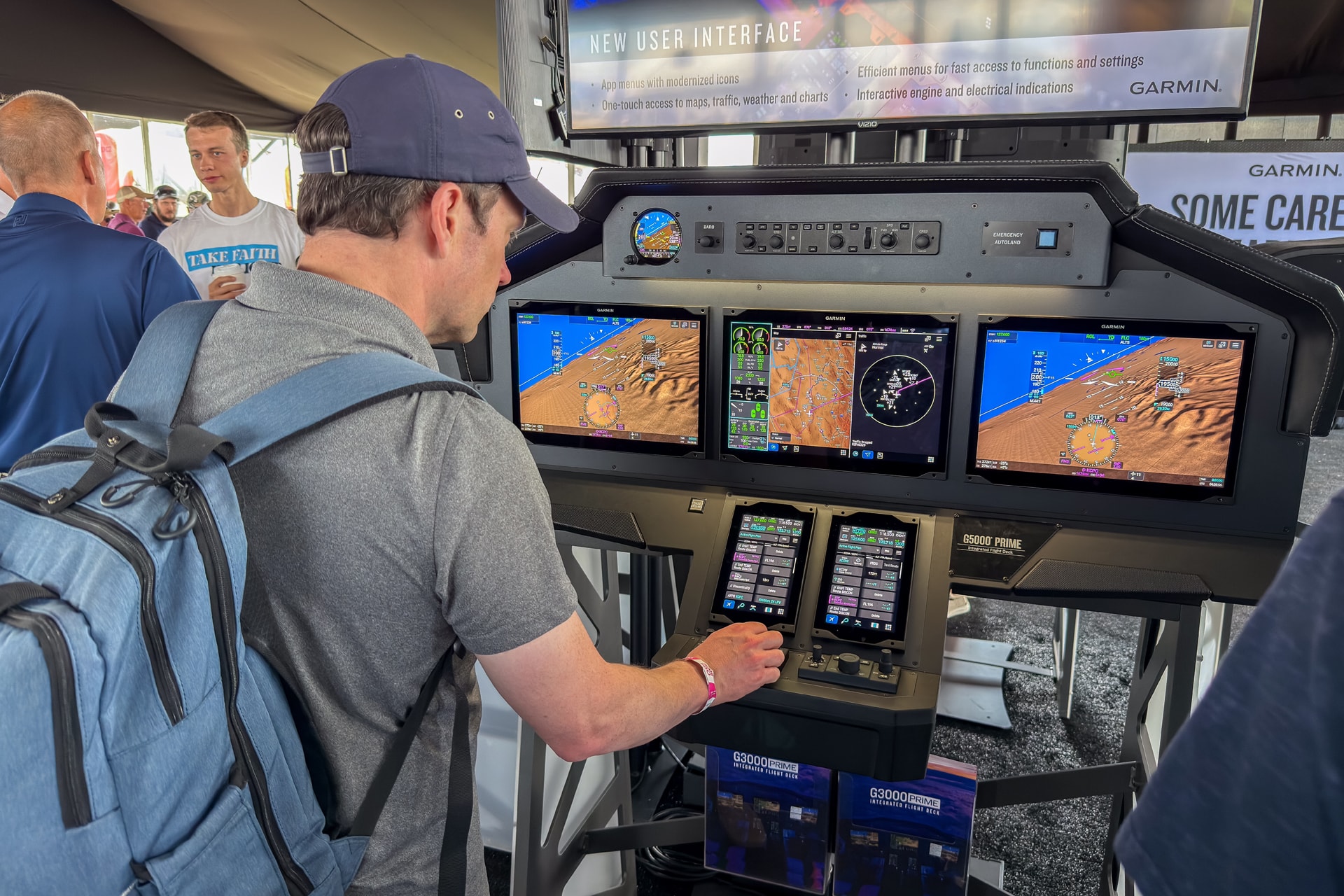
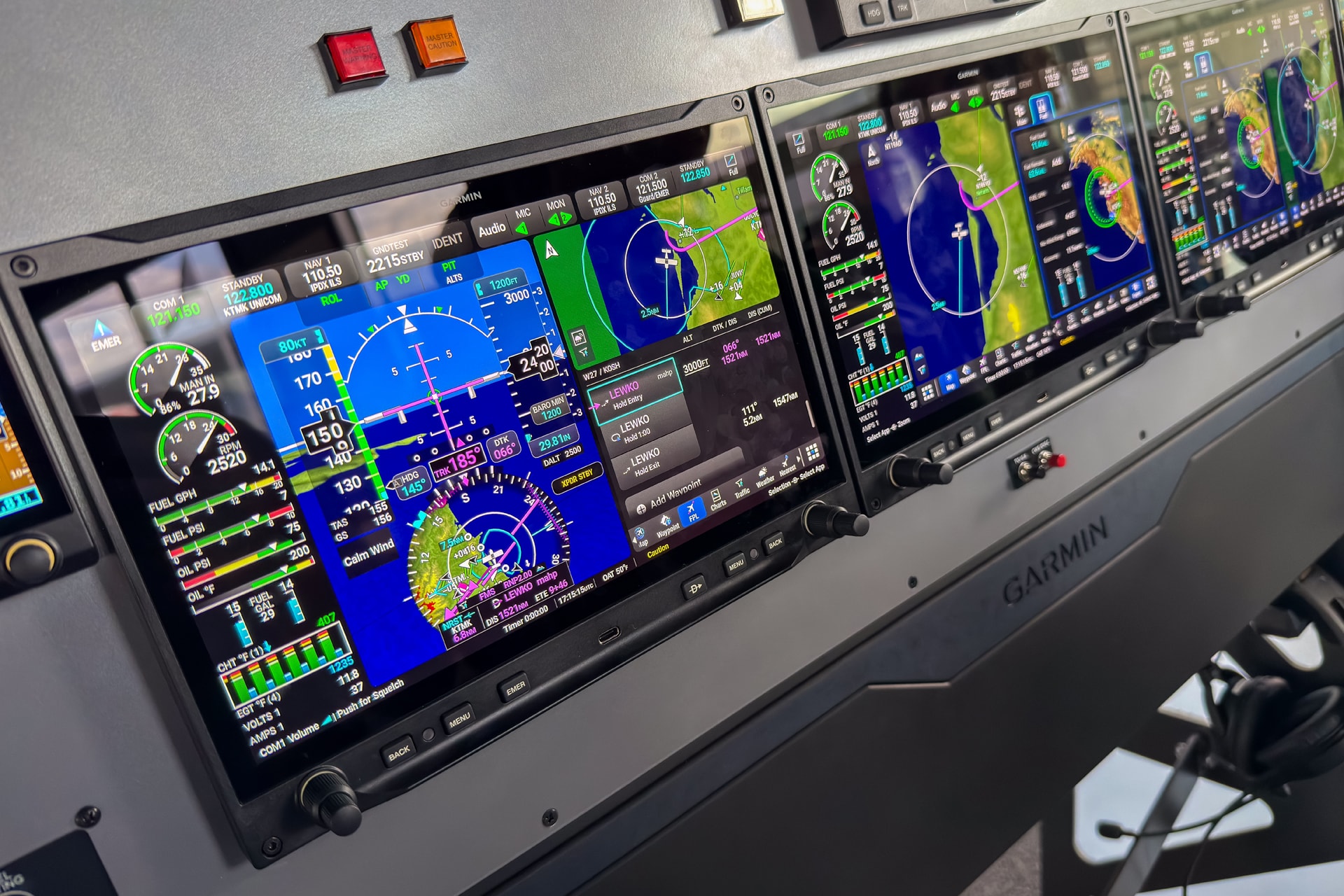
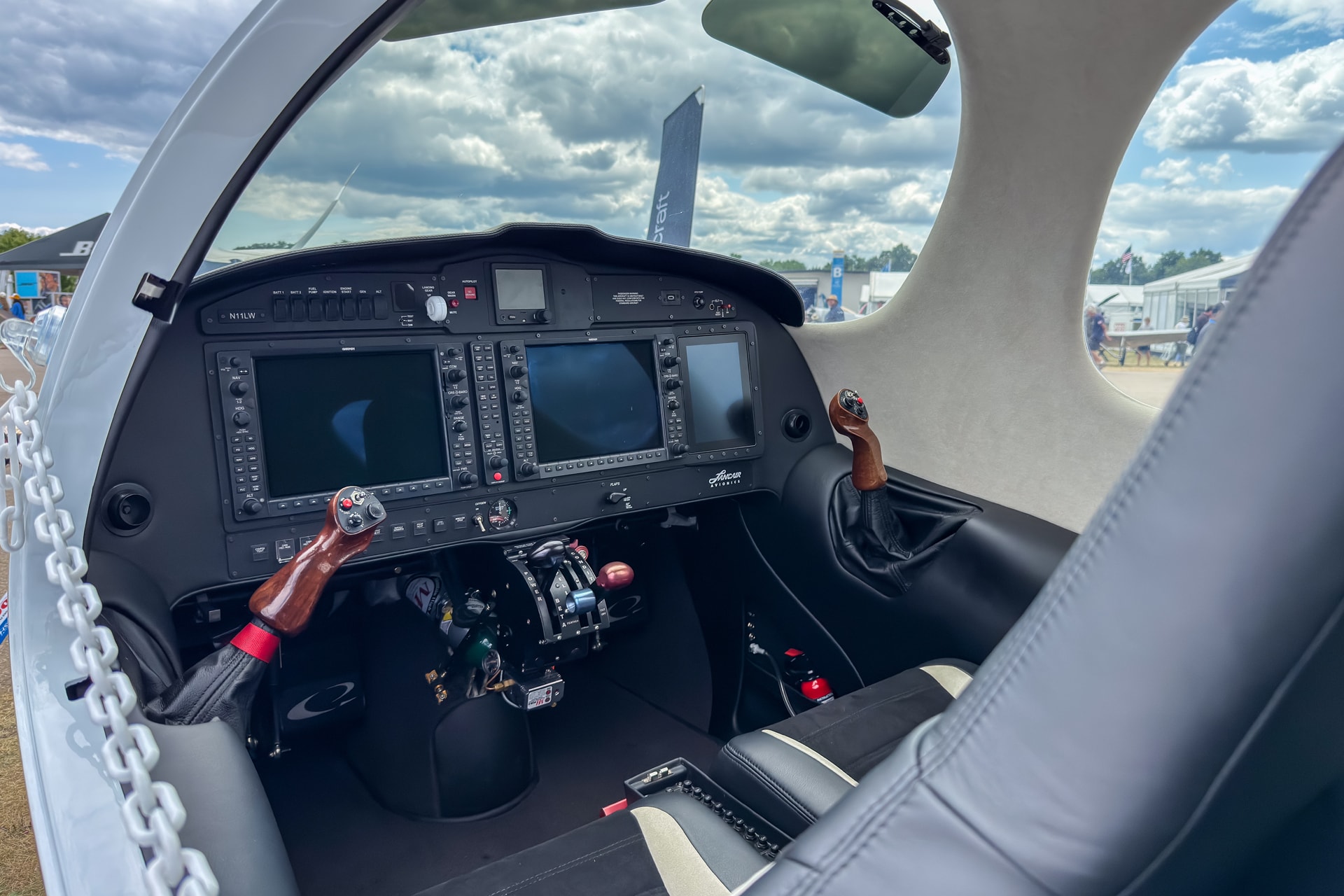
Starting with avionics, Garmin unveiled its latest flagship, the AXIS avionics suite.
Based on technology developed for the G3000 PRIME, its main PFD/MFD displays are fully touchscreen, with an interface designed to work more like a modern smartphone app. For many pilots, this makes the system significantly more intuitive and easier to use. At Oshkosh, the AXIS systems could be seen both as standalone demonstration units and already installed in selected aircraft, including the Beechcraft Baron and RV-8.
Epic Aircraft announced the long-awaited EASA certification of its E1000AX. The aircraft is attracting growing interest in the turboprop market, and European certification should make it particularly appealing to pilots and owners on this side of the Atlantic. Carbon Cub unveiled its ULT, a turbine-powered version of the classic Carbon Cub fitted with a TurboTech TP-R90 engine. The continued development of turbine engines for smaller aircraft, together with the ongoing FAA MOSAIC programme, is driving increasingly capable and sophisticated solutions in general aviation.
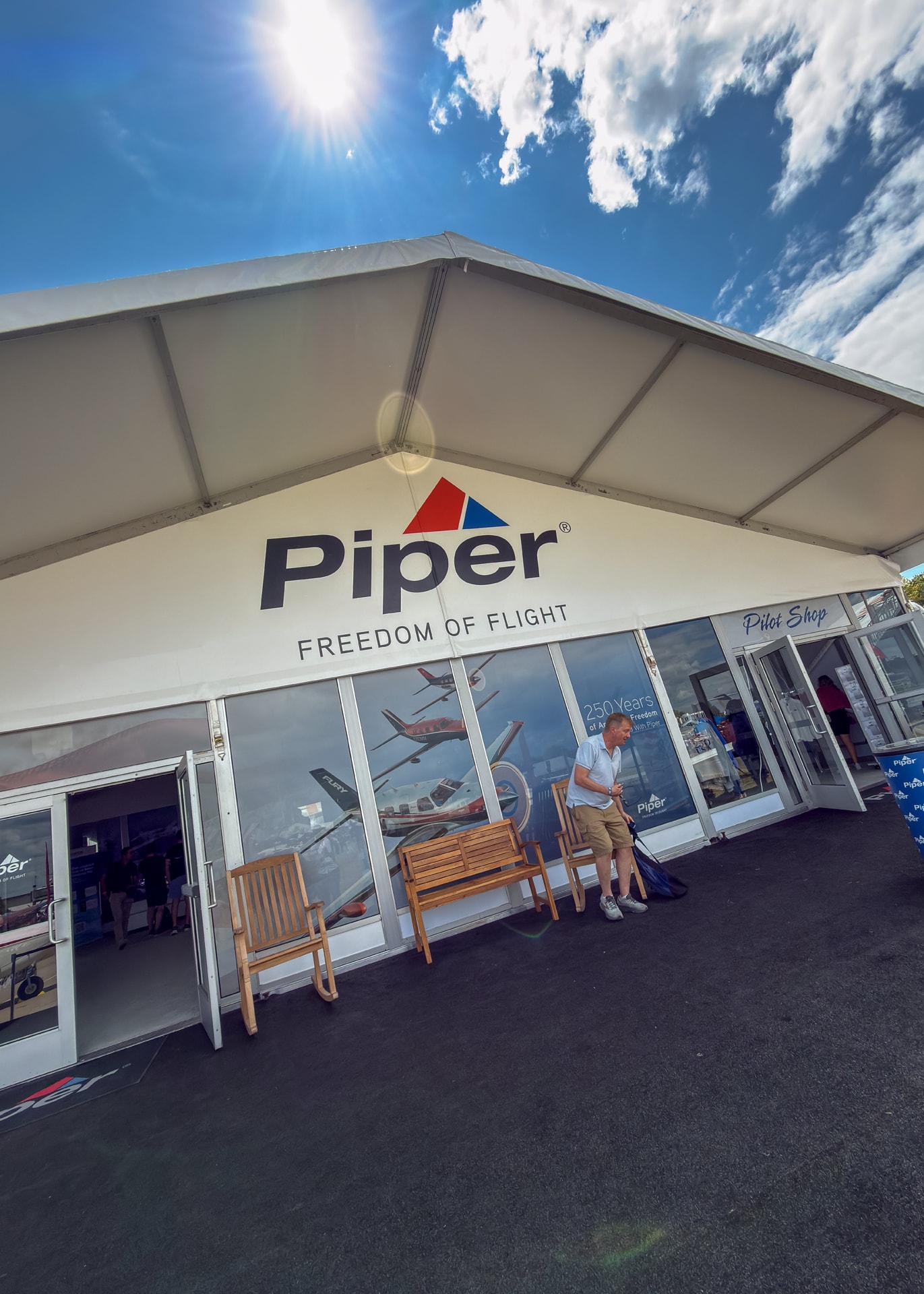
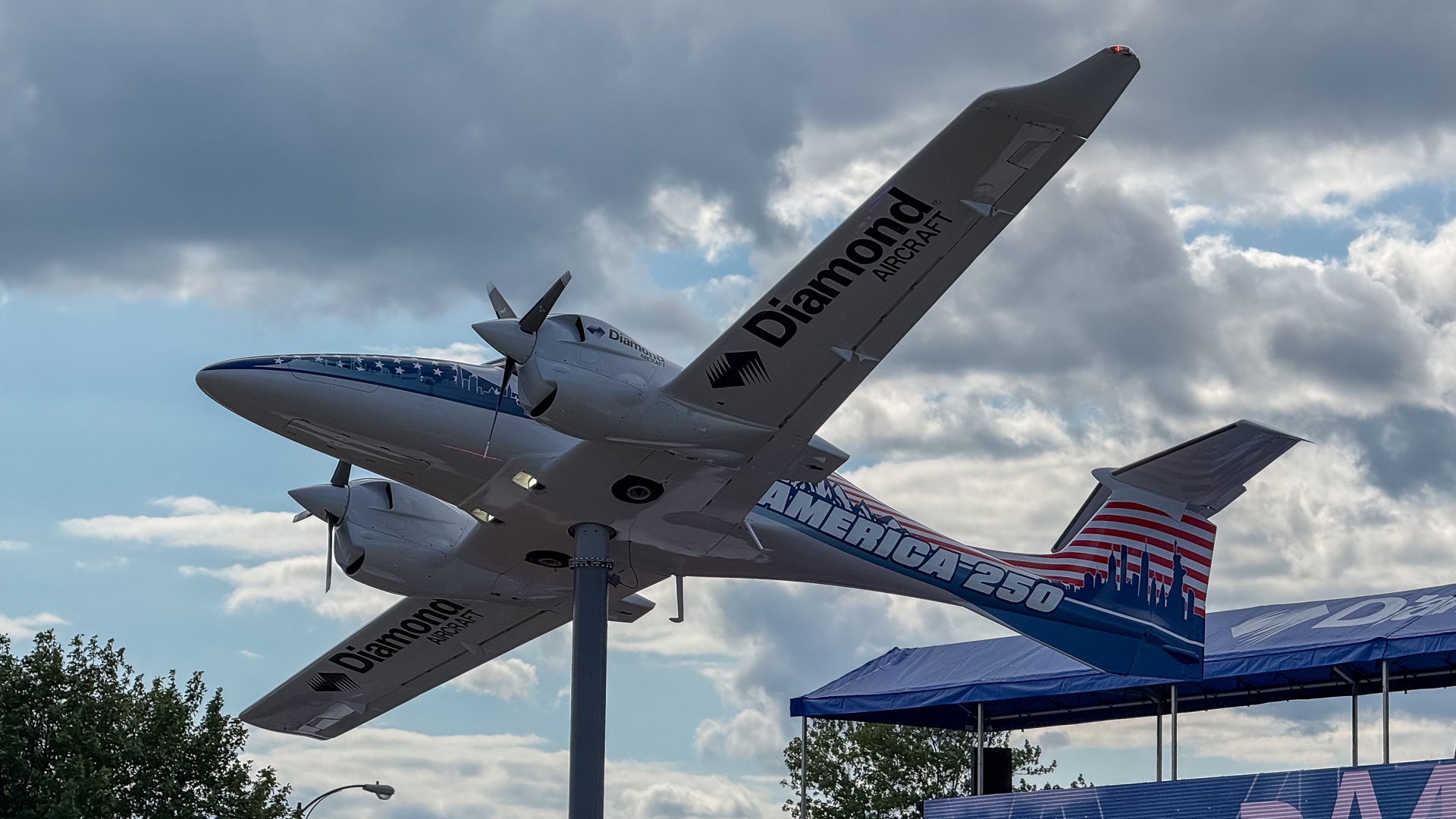
Another interesting highlight was the Piper Seminole DX, which was publicly displayed for the first time with its diesel engines installed. Until now, only mock-ups of the diesel-powered version had been shown at similar events.
There is no doubt that EAA AirVenture Oshkosh is one of the largest and most comprehensive aviation events in the world, so it comes as no surprise that thousands of aviation enthusiasts from across the globe gather there every year. There is really only one thing left to say: see you at Oshkosh in late July 2027!